SPIFFE Emerges as Critical Identity Solution for Rogue AI Agents and Non-Human Workloads
Urgent: Autonomous AI Agents Face Identity Crisis – Open Standard SPIFFE Steps In
As autonomous AI agents multiply across industries, their lack of verifiable identities has become a glaring security gap. SPIFFE, the open standard originally built for microservices, is now being deployed to solve this critical problem.
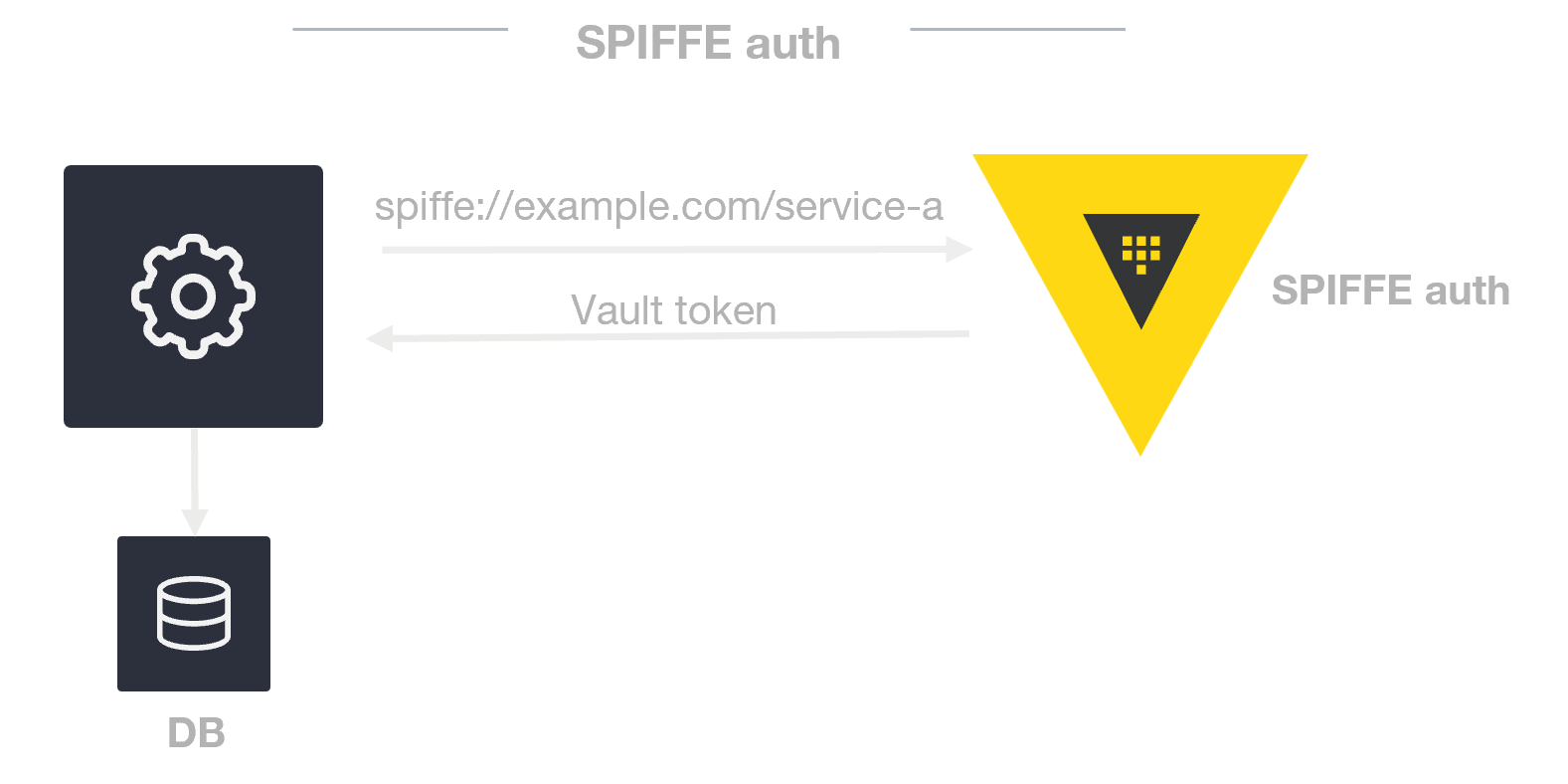
“Without a robust identity layer, AI agents can impersonate each other, steal data, or trigger cascading failures,” warned Dr. Elena Vasquez, cybersecurity lead at the nonprofit Identity Standards Alliance. “SPIFFE provides a cryptographically sound, dynamic identity that scales with agentic systems.”
What Is SPIFFE? A Battle-Tested Identity Framework
SPIFFE stands for Secure Production Identity Framework For Everyone. It issues unique, short-lived identities called SPIFFE IDs to every workload—whether a microservice, a serverless function, or an AI agent.
Core Capabilities
- Workload identity: Each service gets a permanent but revocable identifier.
- Federated trust: Identities can be validated across clouds and organizations.
- Automatic rotation: Credentials expire quickly, reducing the damage from leaks.
“SPIFFE has been tested at scale inside some of the largest cloud-native environments,” said Mike Chen, principal engineer at CloudSec.io. “It’s mature, open, and ready for this new wave of non-human actors.”
Background: From Microservices to Autonomous Agents
Originally developed by the Cloud Native Computing Foundation (CNCF) to secure microservice-to-microservice communication, SPIFFE is now being adopted by enterprises managing fleets of AI bots, robotic systems, and LLM-powered assistants.
Traditional identity methods—static API keys, OAuth tokens tied to humans—fail for ephemeral, agentic workloads. SPIFFE solves this by tying identity to the workload itself, not to a user.
Why This Matters for Agentic AI
Agentic AI systems operate independently, make decisions, and interact with other agents. They need to prove who they are, what permissions they have, and that they haven’t been tampered with.
Key Benefits
- Verifiable non-human identity: SPIFFE IDs are workload-bound, making them perfect for bots and robots.
- Zero trust enforcement: Every agent-to-agent connection uses mutual TLS (mTLS), ensuring encryption and authentication.
- Cross-domain federation: Agents from different clouds or organizations can trust each other’s IDs.
- Dynamic lifecycle: SPIFFE automatically expires and rotates credentials, matching the speed of AI agents being spun up and down.
“We’re seeing real-world use cases in smart cities and supply chain automation, where swarms of agents coordinate critical infrastructure,” explained Fatima Al-Rashid, CTO of Trusted AI Systems. “Without SPIFFE, any of those agents could be a weak link.”
What This Means
The ability to secure non-human identities is no longer optional. As regulators push for transparent AI, SPIFFE provides an auditable trail of which agent did what, when.
“Enterprises that ignore identity for AI are gambling with their security posture,” Vasquez added. “SPIFFE isn’t just a nice-to-have—it’s becoming the foundational layer for trustworthy autonomous systems.”
Expect wider adoption of SPIFFE across industries, especially in finance, healthcare, and critical infrastructure, as organizations race to protect their agentic AI ecosystems.
Call to Action
Organizations deploying AI agents should immediately evaluate SPIFFE-based identity management. Resources are available at the CNCF’s SPIFFE project page. Learn more about the background of SPIFFE or jump to what this means for your organization.