Apple’s Camera-Equipped AirPods: Everything You Need to Know About the Upcoming Launch
Apple has been quietly working on a revolutionary upgrade to its popular AirPods line—integrating built-in cameras. According to recent reports, this ambitious project has entered its final development stages, with employees already testing prototypes internally. The cameras are designed to capture visual data for Siri, promising a futuristic hands-free experience similar to Gemini Live's camera-feed-sharing capabilities. While the launch seems imminent, there remains a possibility of delays. Below, we answer the most pressing questions about these camera-equipped AirPods.
What are Apple's camera-equipped AirPods?
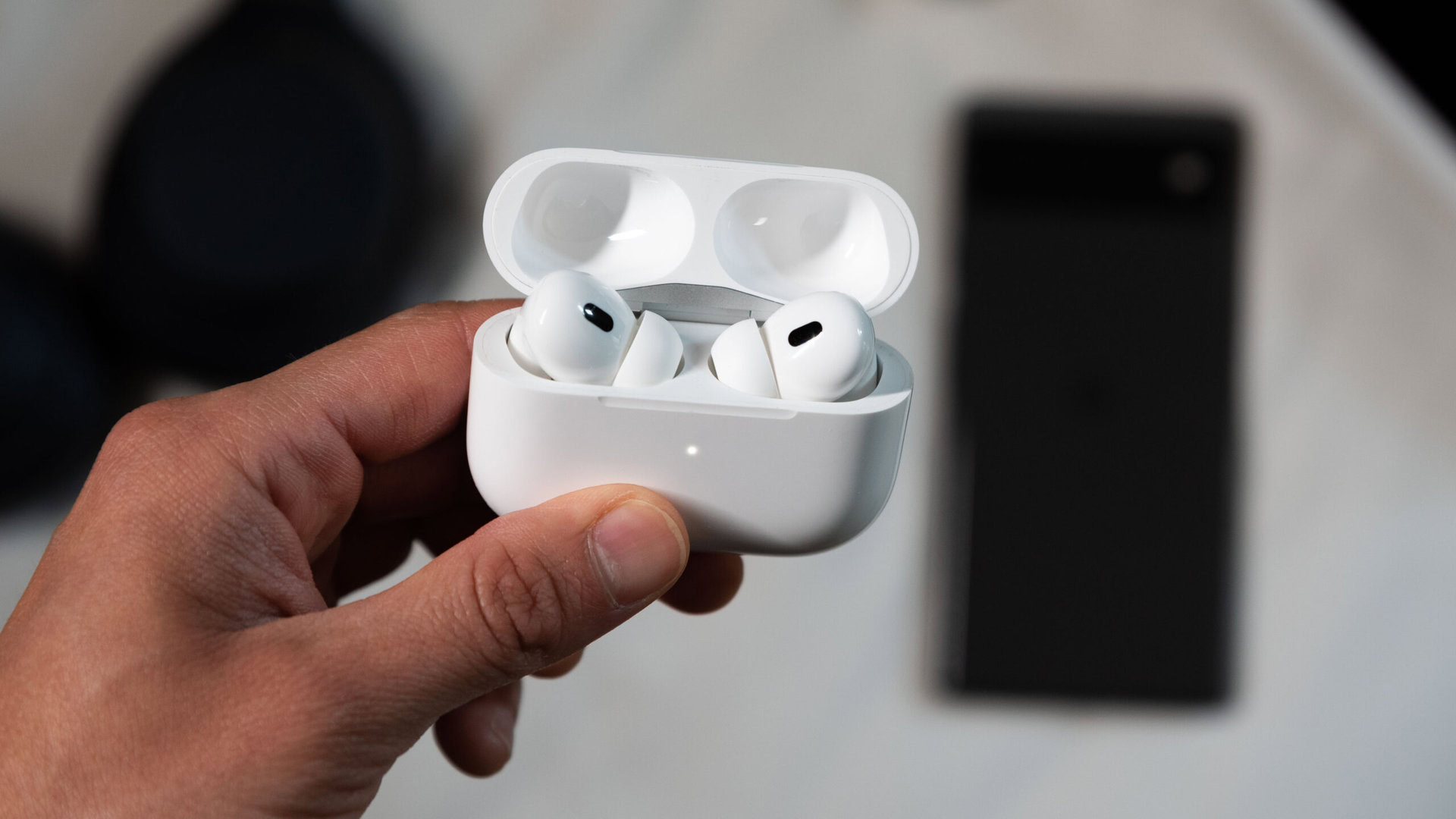
Apple's camera-equipped AirPods are a next-generation iteration of the wireless earbuds that feature tiny built-in cameras. Unlike traditional cameras on smartphones, these are specialized sensors integrated into the earbud body. Their primary purpose is not for taking photos or videos but for capturing visual data from the user's surroundings. This data is fed to Siri, enabling the AI assistant to understand context better—like recognizing objects, reading signage, or identifying people. The concept mirrors augmented reality applications, but in a more passive, always-on fashion. By embedding cameras into earbuds, Apple aims to create a seamless, hands-free interaction model where users can simply glance at something and have Siri react intelligently. This could revolutionize how we interact with digital assistants, moving beyond voice commands to visual triggers.
How far along is the development of these AirPods?
According to reliable reports, the camera-equipped AirPods have reached the late stages of development. They are now approaching the last major development hurdle before mass production. This milestone typically involves finalizing hardware design, firmware stability, and performance testing. However, Apple is known for its rigorous standards, so there is still a chance the project could face delays if issues arise during these final tests. The fact that employees are already using prototypes internally indicates that the technology is functional and integrated into real-world workflows. This internal testing phase is crucial for refining the user experience and ironing out any bugs. The project's progress suggests Apple is confident in the concept, but the exact launch timeline remains uncertain—possibly within the next year or two.
What purpose do the cameras serve in Apple's AirPods?
The cameras in Apple's AirPods are designed to capture visual data primarily for enhancing Siri's capabilities. Instead of relying solely on voice commands, Siri can now use the camera feed to gather context about the user's environment. For example, if you point your head toward a menu in a restaurant, Siri could read it aloud or translate it. The cameras are also expected to support gestures—like a specific head movement to confirm an action. A key reference point is Google's Gemini Live, which offers camera-feed-sharing features for real-time AI assistance. Apple appears to be pursuing a similar path but integrated directly into earbuds. This allows for a completely hands-free operation, unlike holding up a phone. The visual data is processed locally or sent to the cloud, depending on the task, with a strong emphasis on privacy. This move could redefine how users interact with smart assistants in daily life.
Are there any internal tests happening with these AirPods?
Yes, according to insider reports, Apple employees are already actively using camera-equipped AirPods prototypes. This internal testing phase is a common practice for Apple when developing new hardware. It allows the company to assess real-world performance, battery life, comfort, and the accuracy of the camera-based features. Employees likely provide feedback on the user interface, Siri's responsiveness to visual cues, and any hardware issues like heat or fitness for extended wear. This testing is a strong indicator that the project is well beyond the concept stage and into a pre-production validation phase. However, it doesn't guarantee an immediate public release, as Apple may need several rounds of refinement. Nonetheless, the fact that prototypes are in daily use suggests a high level of confidence internally.
When can we expect the camera-equipped AirPods to launch?
While no official release date has been announced, the current state of development—late stages with employee testing—suggests a launch could happen within the next 12 to 24 months. The project is said to be close to reaching its last major development hurdle, which typically preceeds mass production. However, Apple has a history of delaying products if they don't meet quality or privacy standards. The integration of cameras also introduces regulatory challenges in some regions concerning recording devices. It's possible that Apple will announce the product at a future event, such as the annual iPhone launch in September or a separate media event. Analysts speculate that if everything goes smoothly, a release could occur in late 2025 or early 2026. Until then, we can only watch for more leaks and official teasers.
How do these AirPods compare to existing features like Gemini Live?
The camera-equipped AirPods share a core idea with Gemini Live: using camera feeds to provide contextual AI assistance. Gemini Live, developed by Google, allows users to share their phone camera feed with the AI assistant in real time for tasks like identifying plants, translating text, or giving directions. Apple's approach differs in form factor—the cameras are on earbuds, not a phone. This enables a truly hands-free experience; you don't need to hold up a device. Additionally, Apple places a strong emphasis on privacy, likely processing much of the visual data on-device. Gemini Live is currently more conversational and interactive, while Apple's offering may focus on passive, real-time assistance. Both aim to make AI smarter about the user's environment, but Apple's hardware integration could set a new standard for wearables. The key advantage: immediate access without unlocking a phone or launching an app.