Mortal Kombat 2 Producer Calls Out Critics: A Defense of Fan-Focused Filmmaking
The Review Split: Games vs. Mainstream Critics
When Mortal Kombat 2 hit theaters earlier this week, it reignited a familiar debate. Gaming outlets like GamesRadar and IGN praised the film, but mainstream critics were far less kind. The AV Club called it “dreck,” The Hollywood Reporter labeled it “tacky,” and Vulture dismissed it as “depressingly rizzless.” This divide mirrors the reception of recent game-to-film adaptations, such as The Super Mario Bros. Movie. While fans celebrated the faithful nods to the source material, general critics often found them lacking in narrative depth or cinematic polish.
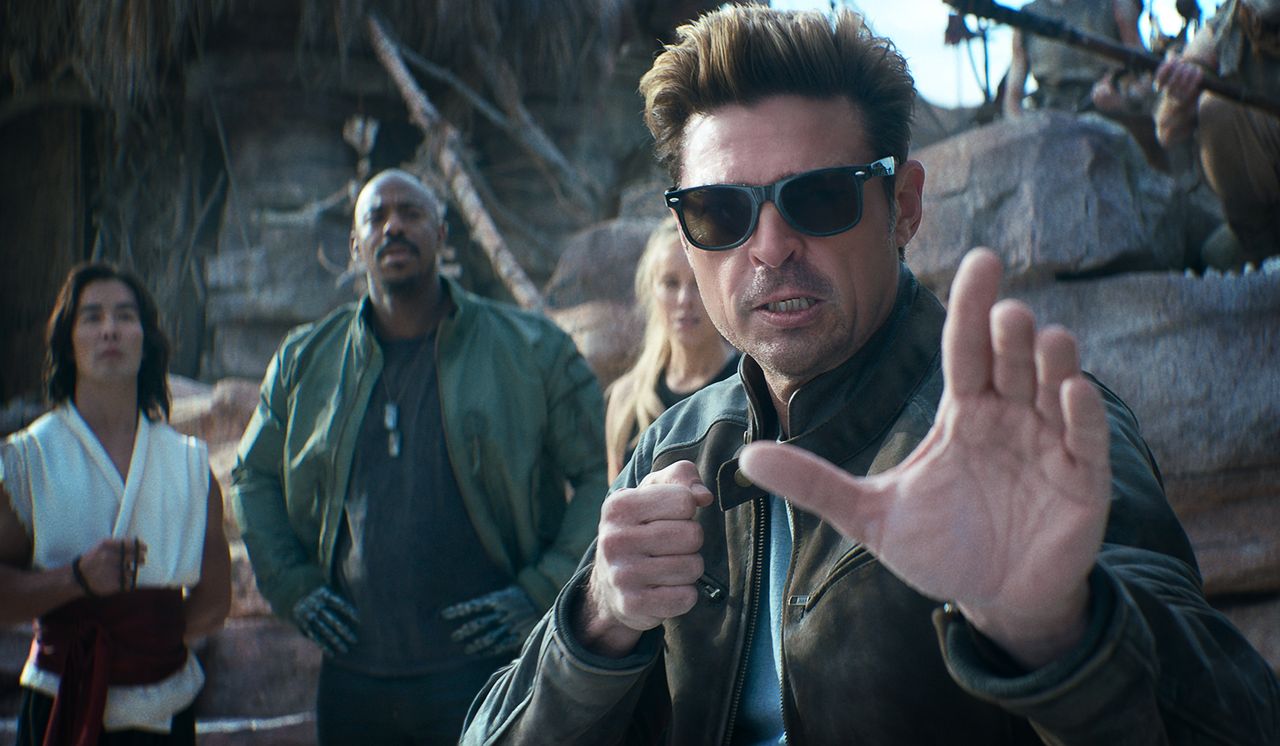
Producer Todd Garner’s Frustration
Producer Todd Garner, who worked on both Mortal Kombat 2 and its predecessor, took to X (formerly Twitter) to vent. “Some of these reviews are cracking me up,” he wrote. “It’s clear they have never played the game and have no idea what the fans want or ANY of the rules / canon of Mortal Kombat.” He added, “One reviewer was mad that a guy ‘had a laser eye!’ Why the fuck do we still allow people that don’t have any love for the genre review these movies! Baffling.” Garner’s outburst highlights a tension between those who view the film as a pure adaptation for fans and those who judge it as a standalone cinematic experience.
The “For the Fans” Argument
Garner’s position echoes a common defense: that films based on beloved IPs should be evaluated primarily by their intended audience. He responded to a fan who claimed “critics are losing influence and fans don’t care about their opinions,” agreeing that “the gamification of movie reviews has gotten absurd.” While this stance resonates with many gamers, it raises questions. Mortal Kombat 2 is a mainstream Hollywood release with an $80 million budget, wide marketing, and a 30-year-old franchise name. Expecting only fans to review it ignores the reality that such films are made for a broad audience—and that audience includes critics who cover blockbusters regularly.
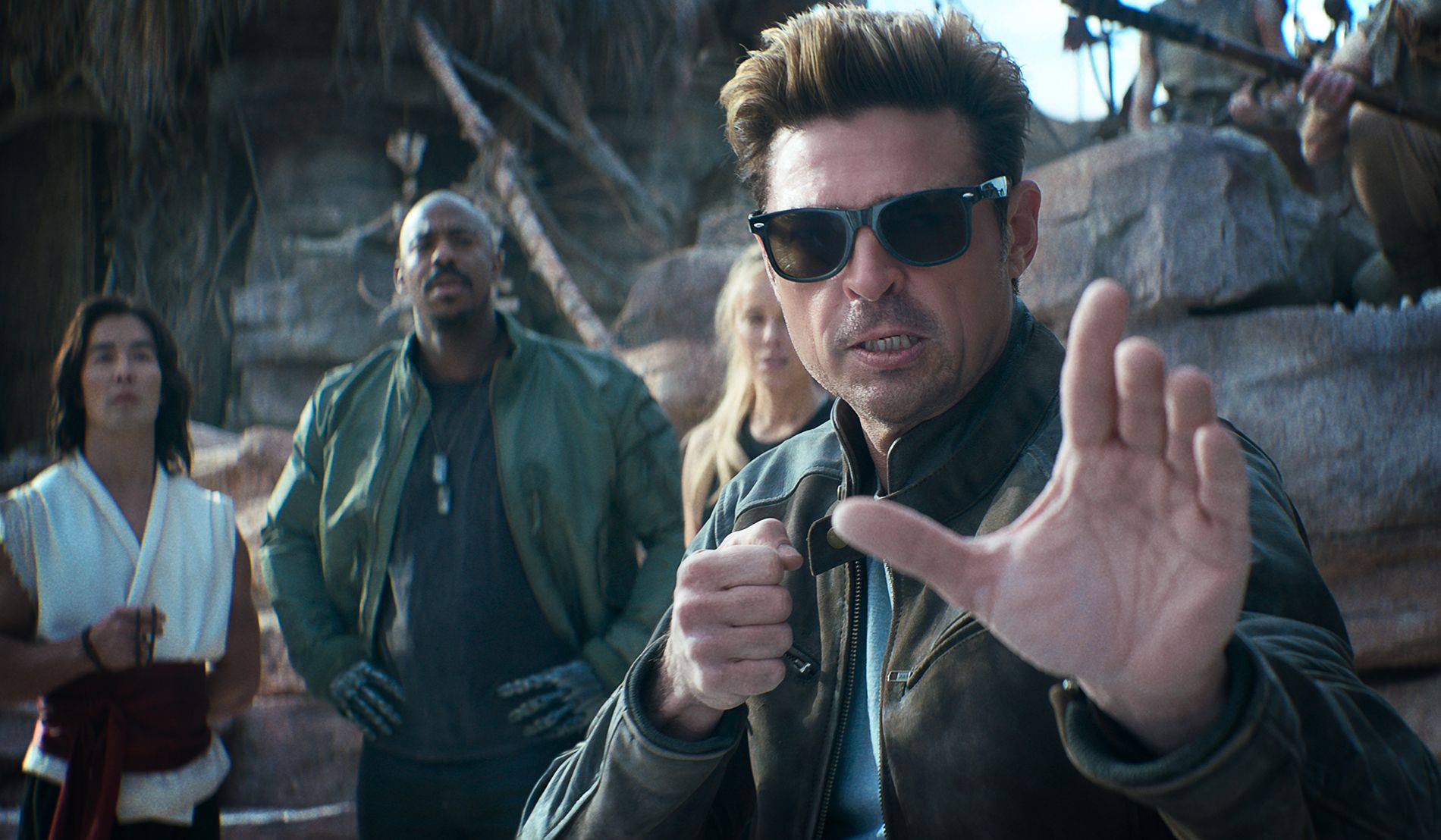
The Counterpoint: Fan Loyalty vs. Critical Standards
Mainstream critics who panned Mortal Kombat 2, such as those at The AV Club and The Hollywood Reporter, routinely review big-budget action films. As one observer noted, “You made a film. You sit in a theatre and watch it. You don’t get to perform any fatalities.” The argument that only fans can judge a game adaptation is problematic: Mortal Kombat 2 is a film first, and it should hold up to cinematic standards regardless of its source material. Yet Garner’s frustration points to a genuine mismatch—when a critic dismisses lore-specific details (like a character’s laser eye) without understanding their origin, it can feel dismissive of the franchise’s identity.
Acknowledging the Flaws: Even Fans Have Concerns
Not everyone on Garner’s side is fully supportive. One dedicated fan on X pointed out inconsistencies in the film’s own lore: “Bro to be fair, you invented Cole Young, Arcana and couldn’t even get the simple lore of Mileena and Kitana correct. I’d say you shouldn’t be tossing any stones here.” Garner’s response? A simple, “Fair.” This admission suggests that even the film’s defenders recognize deviations from the game canon. The dialogue between fans, critics, and producers underscores a larger challenge: Mortal Kombat 2 must balance fan service with coherent storytelling. Whether it succeeds depends on who you ask—but the conversation itself reveals the complexities of adapting interactive media to the big screen.