Navigating the IMO Net-Zero Framework: A Step-by-Step Guide to Understanding the Global Shipping Emissions Deal
Overview
International shipping generates over 2% of global greenhouse gas emissions, yet it operates outside the Paris Agreement. To address this gap, the International Maritime Organization (IMO) has been developing a comprehensive net-zero framework—a set of regulations and carbon pricing mechanisms designed to decarbonize the sector by 2050. This guide explains the political journey of that framework, the key players, and the contentious negotiations that nearly derailed it. By the end, you'll understand why the framework faced delays, what alternative proposals were floated, and how nations finally got the deal ‘back on track’ in 2026.
Prerequisites
Who Should Read This Guide
This guide is for policy analysts, maritime industry professionals, environmental advocates, and anyone interested in international climate diplomacy. No prior knowledge of IMO procedures is required, but familiarity with basic emissions accounting and carbon pricing concepts will be helpful.
Key Concepts to Understand First
- IMO MEPC: The Marine Environment Protection Committee, which meets annually to adopt shipping regulations.
- Flag States: Countries that register commercial ships; they control large fleets (e.g., Liberia and Panama represent ~33% of global tonnage).
- Carbon Pricing: A mechanism that puts a cost on emissions—often through a levy or emissions trading system—to incentivize reductions.
- Net-Zero Target: The IMO’s 2023 goal to reach net-zero greenhouse gas emissions from international shipping by or around 2050.
Step-by-Step: The Journey of the Net-Zero Framework
Step 1: The 2023 Net-Zero Target Sets the Stage
In July 2023, IMO member states agreed to a landmark goal: achieve net-zero emissions from shipping by 2050. This ambition required a practical implementation plan—the net-zero framework—which was drafted over the next two years. The framework included carbon pricing as a core pillar, alongside fuel standards and technology mandates.
Step 2: Initial Approval at MEPC83 (April 2025)
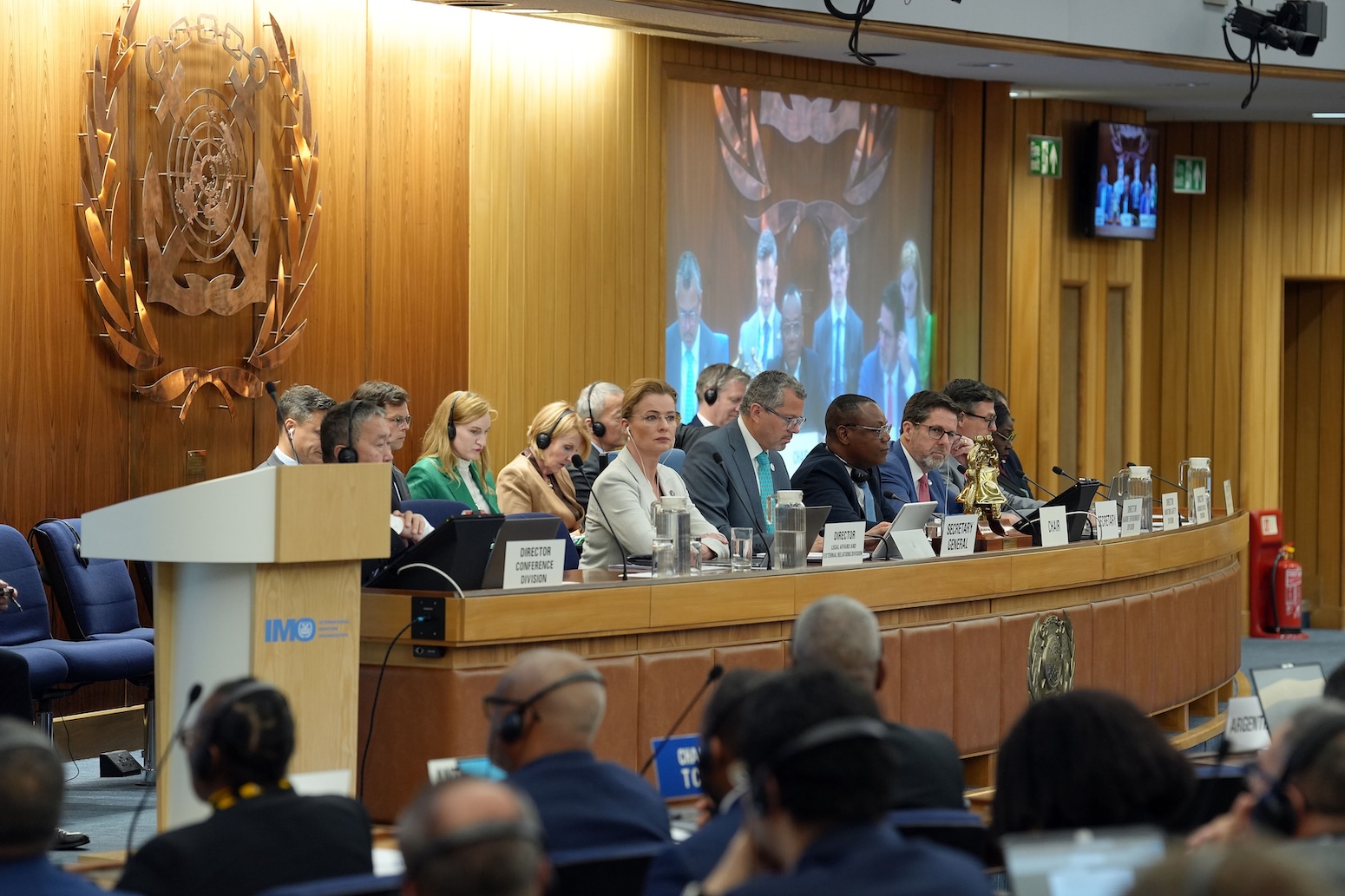
At the MEPC83 meeting in London, nations reached a tentative agreement on the framework’s text. Notably, the United States withdrew from negotiations partway through but did not block the vote. The remaining delegates approved the framework as a “careful balance of interests,” designed to please both fossil-fuel producers and climate-vulnerable island states.
Step 3: The Extraordinary Session and US Pushback (October 2025)
An extraordinary MEPC session was called in October 2025 specifically to formally adopt the framework. However, the newly returned Trump administration launched an aggressive campaign to either strip the framework of its carbon-pricing mechanism or reject it entirely. Accusations of “bully-boy tactics” flew as the US and allies (including some fossil-fuel producers and shipping industry groups) argued for consensus while blocking any vote. The session ended without adoption, delaying the deal.
Step 4: MEPC84 – Opponents Propose Alternatives (April 2026)
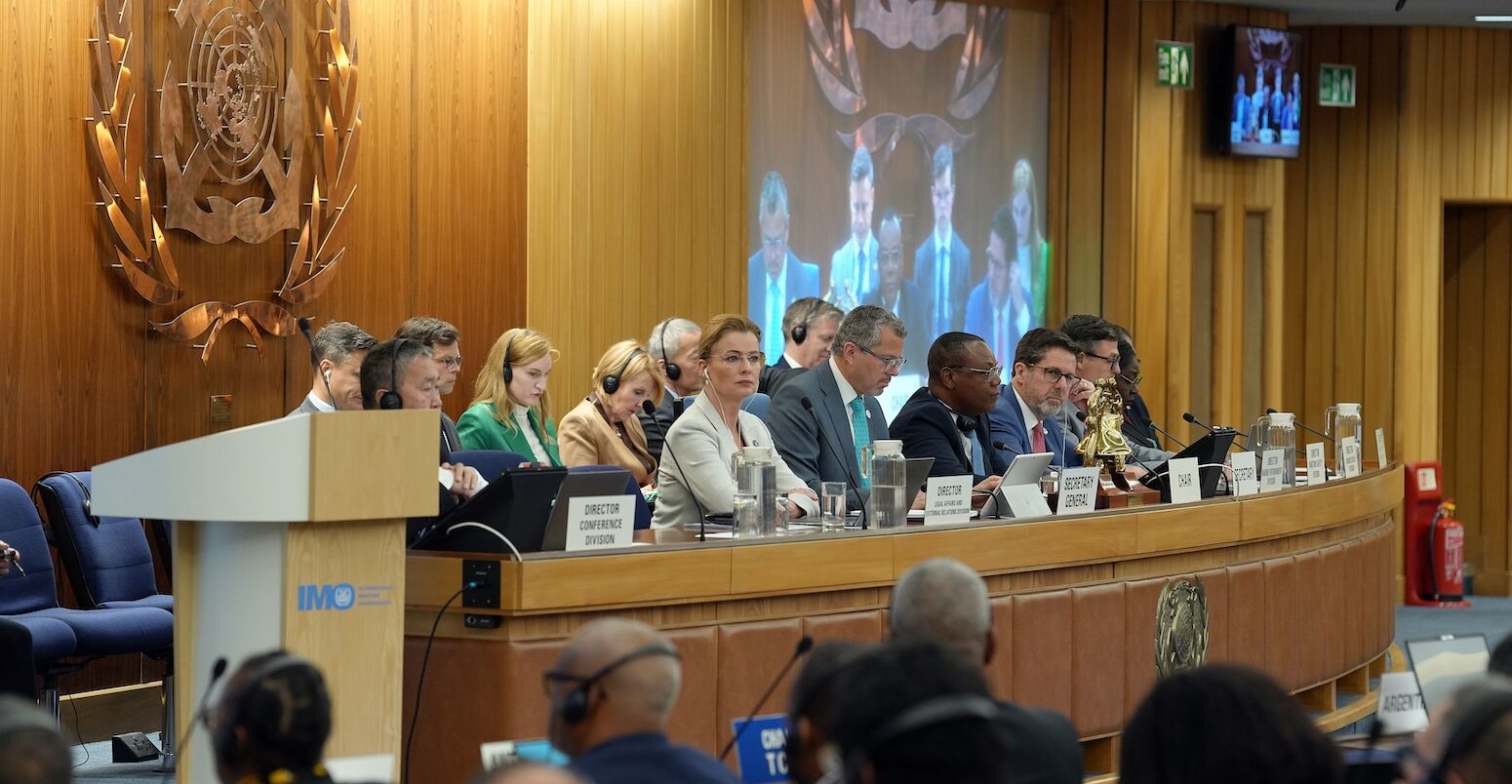
In April 2026, at MEPC84, opponents made a last-ditch effort. Liberia, Panama, and Argentina—representing major flag states—submitted a counter-proposal that effectively removed carbon pricing from the framework. They argued that pricing would hurt developing nations’ trade costs. Supporters, led by Brazil, the EU, and Pacific island nations, countered that the framework was already a compromise; gutting it would betray the 2023 net-zero target.
Step 5: Reconvening Consensus and the Path to December 2026
After intense debate, MEPC84 did not adopt the framework but issued a clear statement: delegations recommit to rebuilding consensus. The committee scheduled a final adoption attempt for December 2026. The original net-zero framework survived the 2026 meeting intact—no alternative was accepted—and the carbon-pricing mechanism remains on the table.
Learn from common mistakes in understanding this process.
Common Mistakes
Mistake 1: Confusing ‘Delayed’ with ‘Dead’
Many observers assumed the October 2025 delay killed the framework. In reality, the framework remained the default proposal, and the December 2026 deadline keeps it alive. Delays in IMO processes are common; the key is whether the political will to adopt remains.
Mistake 2: Believing Carbon Pricing Is the Only Issue
While carbon pricing attracted the most controversy, the framework also includes fuel standards and technology transfer provisions. Opponents often exaggerate pricing as a “tax on trade,” ignoring the fact that a well-designed levy can be revenue-neutral and fund green shipping infrastructure.
Mistake 3: Assuming Flag States Speak for All Shipowners
Liberia and Panama are flag states for many vessels, but shipowners and operators are global. Some major shipping companies, like Maersk, have publicly supported strong climate action. The interests of flag states do not always align with the entire industry.
Mistake 4: Overlooking the Role of ‘Friends of the Ocean’
Small island developing states (SIDS) and least developed countries (LDCs) have been powerful voices in defending the framework. Their vulnerability to sea-level rise and shipping-related pollution gives them moral authority, but they are often underestimated in negotiation power analyses.
Summary
The IMO net-zero framework for shipping emissions survived a turbulent two-year period of political infighting, US-led opposition, and alternative proposals. Despite delays in 2025 and a counter-proposal at MEPC84, the framework remains intact with carbon pricing included. Member states have recommitted to adoption by December 2026. This guide covered the timeline, key players, and common pitfalls; understanding these dynamics is essential for anyone tracking international climate policy in the maritime sector.