The End of an Era: Apple's Budget Laptop May Be Discontinued
The Rise of the MacBook Neo
When Apple launched the MacBook Neo with a starting price of $599, it sent shockwaves through the PC industry. For years, Windows laptops had dominated the lower end of the market, offering budget-friendly options that often sacrificed build quality and performance. The MacBook Neo changed that narrative by providing a premium experience at an accessible price point. Its sleek aluminum unibody, sharp Retina display, and seamless integration with macOS made it an instant hit among students, professionals, and casual users alike. The $599 price tag was not just a competitive move—it was a strategic masterstroke that forced many Windows PC manufacturers to rethink their pricing and feature sets.
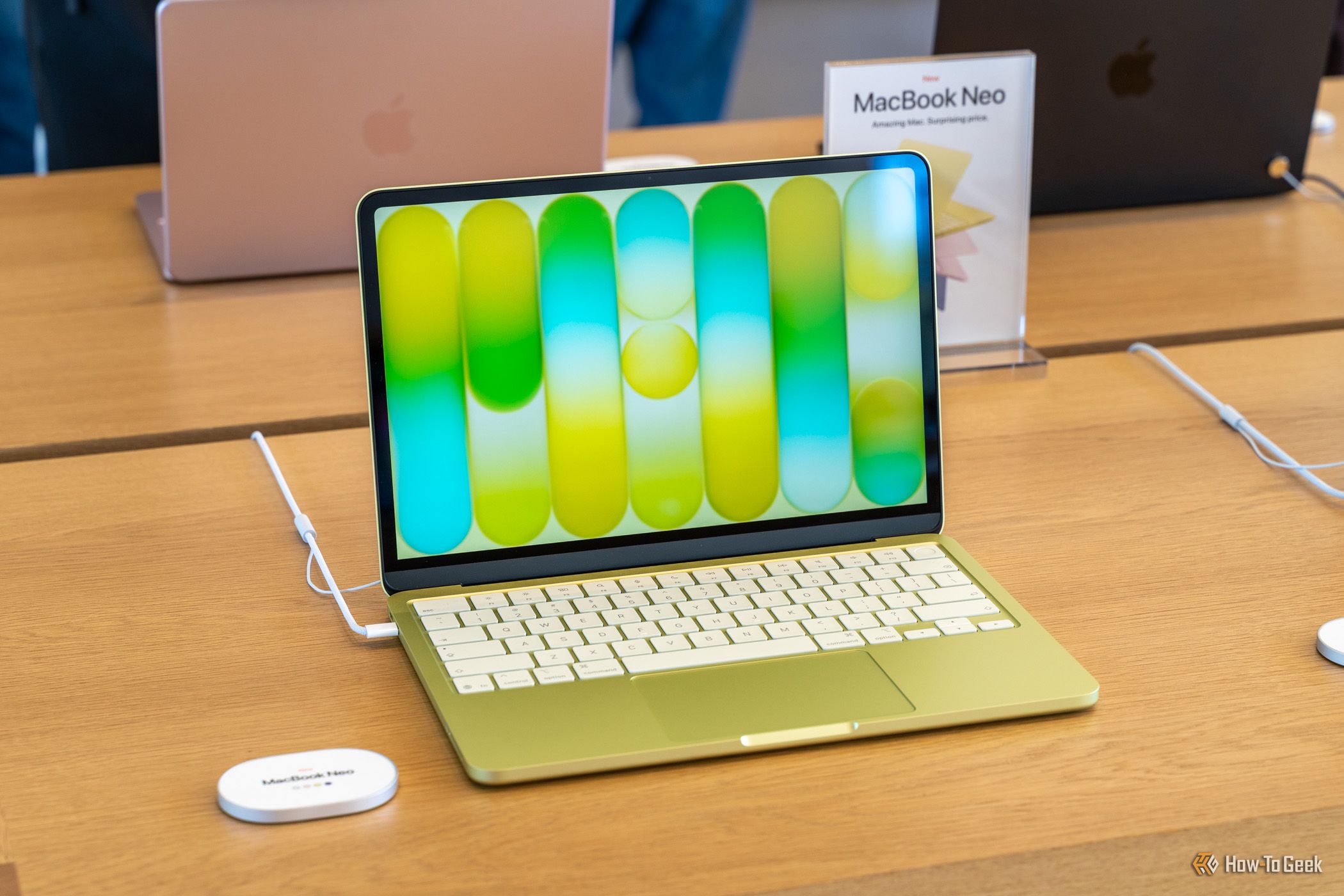
How $599 Changed the Game
Before the MacBook Neo, Apple's laptops started at $999 or higher. The introduction of a $599 model opened up a new customer segment: those who wanted a Mac but couldn't justify the premium price. This move directly challenged Windows-based alternatives from Dell, HP, and Lenovo, which often struggled to match Apple's ecosystem and build quality at similar price points. Sales figures from the first year showed a dramatic spike in Apple's laptop market share, especially in education and emerging markets. The MacBook Neo became a gateway product, locking users into the Apple ecosystem and driving subsequent sales of iPhones, iPads, and services like iCloud and Apple Music.
Why Apple Might Drop the Price
Despite its success, rumors have emerged that Apple is considering discontinuing the $599 MacBook Neo. This would mark a significant shift in strategy. Several factors could be driving this decision:
Profit Margins and Premium Positioning
Apple has long prided itself on maintaining high profit margins across its product lines. The $599 price point, while effective for market share, likely squeezed margins more than the company prefers. With rising component costs and inflation, Apple may find it unsustainable to keep offering a laptop at that price while still delivering the quality users expect. Additionally, Apple has been pushing its lineup toward higher-priced models, such as the MacBook Pro and MacBook Air with M-series chips, which command $999 and up. Dropping the budget model could reinforce Apple's premium brand image and encourage customers to upgrade to more expensive devices.
Supply Chain and Component Costs
The global chip shortage and increased demand for key components like SSDs and RAM have made it harder for Apple to produce a $599 laptop without compromising on features or sacrificing margin. Apple's transition to its own M-series processors has already improved performance and efficiency, but the cost of these custom chips is higher than older Intel-based alternatives. To maintain the $599 price, Apple would need to use older, less efficient components, which could dilute the user experience. Industry analysts suggest that Apple may replace the MacBook Neo with a slightly higher-priced model, perhaps starting at $699 or $799, to better align with its other product tiers.

What This Means for Consumers
If Apple does drop the $599 laptop, it will have a noticeable impact on consumers. For budget-conscious buyers, the loss of an entry-level Mac could push them toward Windows alternatives or refurbished models. Students and educators who rely on the affordable MacBook Neo for schoolwork may need to consider older models or wait for potential sales. However, Apple might introduce a new low-cost device, such as a 12-inch MacBook SE, to fill the gap. The shift could also lead to a stronger second-hand market for existing MacBook Neo units, as resale values spike.
The Future of Apple's Laptop Lineup
Apple's laptop strategy is likely to evolve toward a two-tier system: the MacBook Air and MacBook Pro. The Air, starting at $999, would serve as the entry point, while the Pro would target power users. This would simplify the lineup and reduce cannibalization between models. Additionally, Apple may focus on refurbished and clearance units to capture price-sensitive customers without undercutting its main products. Internal documents leaked earlier this year suggested that Apple is working on a next-generation MacBook Air with an even thinner design, which could justify a higher starting price.
Ultimately, the potential discontinuation of the $599 MacBook Neo marks the end of a bold experiment. While it helped Apple gain ground against Windows PCs, the company now seems ready to return to its premium roots. Whether this move pays off remains to be seen, but one thing is clear: the era of the budget MacBook may soon be behind us.