Australia's Electric Vehicle Market Surpasses 26% Share in April 2026
Overview of April 2026 Sales
Australia's transition to electric mobility reached a new milestone in April 2026, with plug-in vehicles accounting for over a quarter of all new car sales. According to industry data, a total of 25,087 plug-in electric vehicles (PEVs) were sold during the month, representing 26.7% of the 94,049 new vehicles registered. This marks a significant leap from just a few years prior, underscoring the accelerating shift toward electrified transport Down Under.
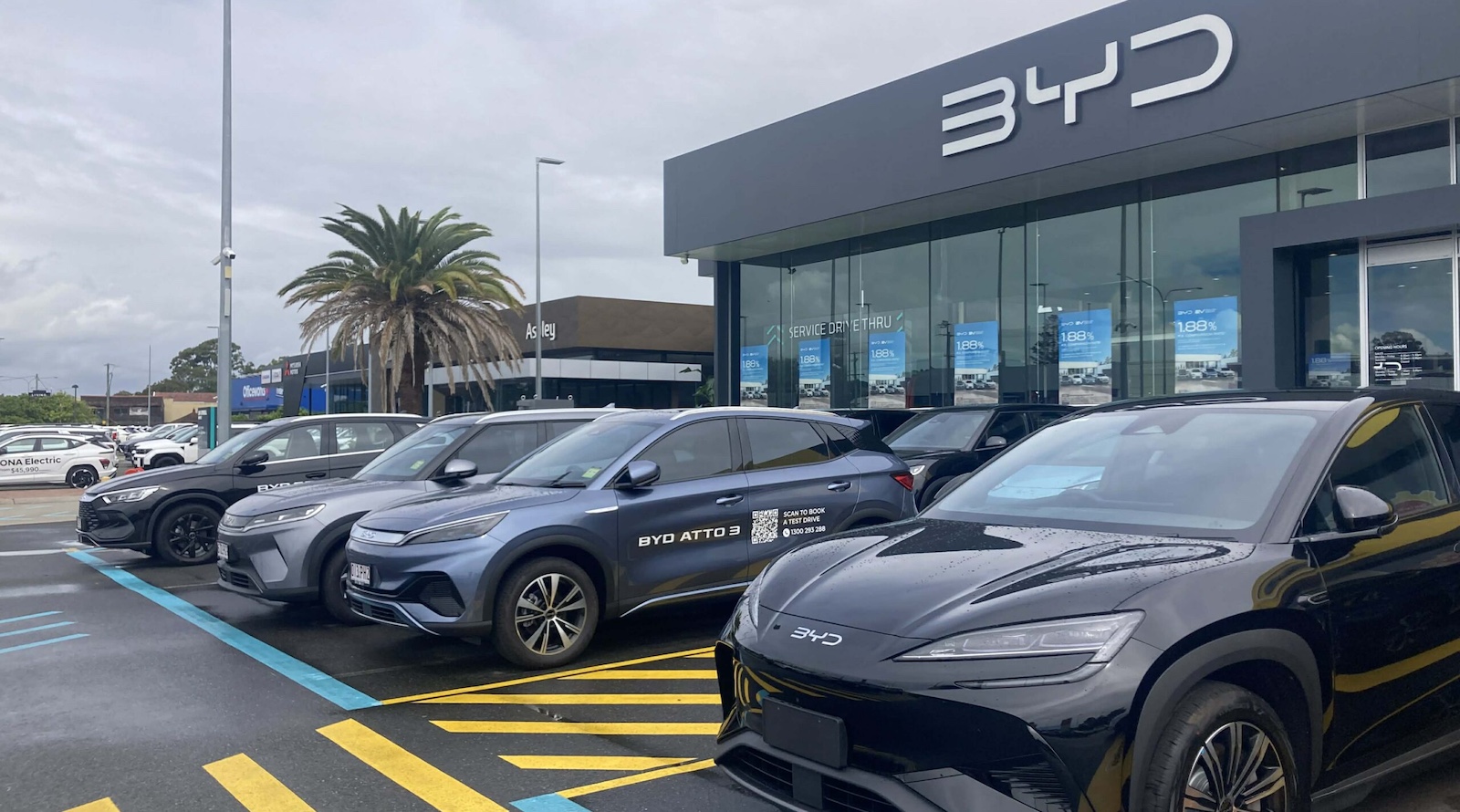
The figures break down into 15,459 battery electric vehicles (BEVs) and 9,628 plug-in hybrid electric vehicles (PHEVs). Combined, these numbers demonstrate that Australian consumers are increasingly embracing both full-electric and hybrid options, driven by a mix of environmental awareness, fuel cost savings, and expanding model availability.
BEV and PHEV Performance
Battery Electric Vehicles Hold Steady
BEV sales remained relatively stable compared to the previous month, with around 15,459 units sold. While this plateau might seem modest, it reflects a maturing market where initial high-growth rates begin to normalise. Popular models such as the Tesla Model Y and Model 3 continued to dominate, while newcomers from BYD, MG, and Hyundai also contributed to the volume. The steady BEV numbers suggest that demand is solid but constrained by factors like charging infrastructure and vehicle supply.
Plug-in Hybrids Gain Momentum
In contrast, PHEVs experienced a noticeable uptick in sales, reaching 9,628 units—a month-on-month increase. This growth can be attributed to several trends: more carmakers are introducing PHEV variants of popular SUVs and sedans, and consumers appreciate the flexibility of an electric-only range for daily commuting combined with a petrol engine for longer trips. Models like the Mitsubishi Outlander PHEV and the Ford Escape PHEV have been particularly strong sellers. The rise of PHEVs also indicates that while full BEVs lead, the transition to all-electric is happening stepwise for many buyers.
Month-on-Month Trends
Breaking down the April data against March 2026 reveals that the overall PEV market share held steady around 26-27%, despite total vehicle sales fluctuating slightly. BEVs remained nearly flat, suggesting that the early adopter segment is reaching saturation, while the mainstream market is gradually moving toward electrification. PHEVs, however, grew by a few percentage points month-over-month, hinting that hybrid options are becoming a more popular choice for range-anxious buyers or those in areas with limited charging points.
This divergence is likely to continue as charging networks expand and new long-range BEVs enter the market. Australia's federal and state governments have also increased incentives, such as rebates and stamp duty exemptions, which help sustain demand.
Key Factors Driving Growth
Several factors are propelling Australia's EV adoption:
- Expanding Model Choice: In 2026, more than 60 plug-in models are available in Australia, up from just 20 four years ago. This includes electric utes, vans, and affordable compacts.
- Falling Battery Costs: Lower production costs have allowed manufacturers to drop prices, making EVs more competitive with internal combustion engine vehicles.
- Government Policies: The Federal Government's National Electric Vehicle Strategy, along with state-level programs like New South Wales's EV rebate scheme, have reduced upfront costs and supported charging infrastructure.
- Fuel Price Volatility: Persistent high petrol prices continue to push motorists toward electric propulsion for lower running costs.
- Corporate Fleet Uptake: Businesses are increasingly electrifying their fleets to meet sustainability targets and benefit from tax deductions.
Outlook for the Rest of 2026
With the first third of 2026 complete, the trajectory suggests that Australia could end the year with plug-in vehicles capturing 28-30% of new car sales. The arrival of several mass-market BEVs in the second half, including the Tesla Cybertruck, BYD Seal U, and the electric Ford Transit, is expected to further boost volumes. Meanwhile, PHEV sales may continue their upward trend as range extender technology improves.
Charging infrastructure remains a key enabler. As of April 2026, Australia has over 5,000 public charging stations, with ultra-rapid chargers along major highways becoming more common. However, regional areas still lag, and ongoing investment is needed to ensure equitable access.
In summary, the April 2026 data confirms that the electric vehicle transition in Australia is not only continuing but accelerating. The combination of BEV stability and PHEV growth indicates a healthy, diversified market that is responding to consumer needs and policy support. For more insights, see our overview or explore key growth factors.