The Growing Wave of AI Data Center Bans Across America: 5 Key Facts
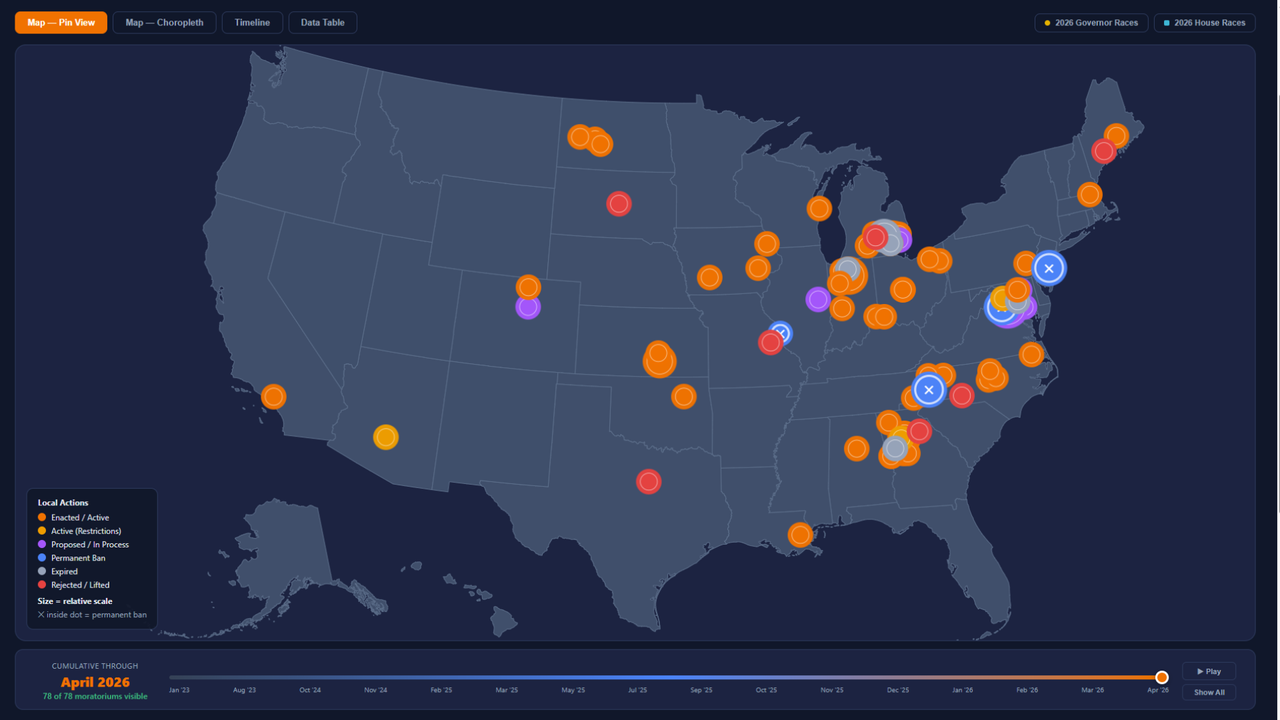
Across the United States, a quiet but significant movement is gaining momentum: communities are pushing back against the construction of new AI data centers. As of April 2026, 69 jurisdictions have enacted some form of restriction, with 50 of those being active bans. Among these, four have been designated as permanent. This article breaks down the key facts you need to understand this trend.
1. The Numbers Behind the Ban Surge
The scale of these restrictions is unprecedented. According to recent data, 69 different municipalities, counties, and regions across the US have moved to block new data center builds. Out of these, 50 bans are currently active—meaning they are in effect and legally enforced. This number has more than doubled in the past two years. The four permanent bans stand out because they are not subject to future review or expiration, signaling a long-term shift in local policy. This rapid increase reflects growing concerns about the impact of these facilities on local resources and communities.
2. Why Communities Are Saying No
The primary drivers behind these bans are environmental and infrastructural. AI data centers consume enormous amounts of electricity and water—often equivalent to tens of thousands of homes. In drought-prone areas, water usage for cooling has sparked outrage. Noise pollution and increased traffic from construction also play a role. Additionally, many residents worry that these centers bring few local jobs (since they are mostly automated) while straining power grids and raising utility costs. As one planning official put it, “We are not against technology, but we cannot afford the hidden subsidies that data centers demand.”
3. Permanent Bans: A New Precedent
Among the 69 jurisdictions with restrictions, four have implemented permanent bans—meaning they are not temporary moratoriums but outright prohibitions with no expiration date. These are located in states with severe water scarcity and high electricity demand: two in Arizona, one in Oregon, and one in New Mexico. Experts believe these could become models for other communities. The permanence sends a strong signal to the tech industry that some regions are unwilling to host data centers under any circumstances. This shift marks a departure from the earlier practice of temporary moratoriums used to study impacts.
4. The Ripple Effect on AI Development
The bans are starting to affect the broader AI industry. Data centers are the physical backbone of AI, requiring massive computing power for training and inference. With growing restrictions, some tech companies are scouting locations in Canada, Europe, and emerging markets. Smaller AI startups, which often rely on colocation facilities near urban hubs, face higher costs and longer construction timelines. This could slow down innovation in regions with many bans. Conversely, it is driving investment in more energy-efficient hardware and alternative cooling technologies, such as liquid immersion cooling.
5. What the Future Holds for Data Center Growth
Looking ahead, the trend shows no sign of reversing. As of 2026, 15 more jurisdictions are considering new ban proposals. The pushback is likely to accelerate as the AI sector continues to expand. Some industry analysts predict a two-tier future: areas with strict bans will push data centers to rural or less-populated regions with ample renewable energy, while other areas may remain open. The four permanent bans, in particular, may inspire similar actions. Tech companies must now navigate a patchwork of local regulations that could reshape the geography of AI infrastructure in the United States.
In summary, the rise of AI data center bans highlights a critical tension between technological progress and local resource management. With numbers climbing each year, the decisions made by these 69 jurisdictions will likely influence national policies. Understanding these five key facts is essential for anyone following the evolving relationship between AI development and community rights.