How to Maximize Fleet Efficiency with an Electric Trailer: A Step-by-Step Guide
Introduction
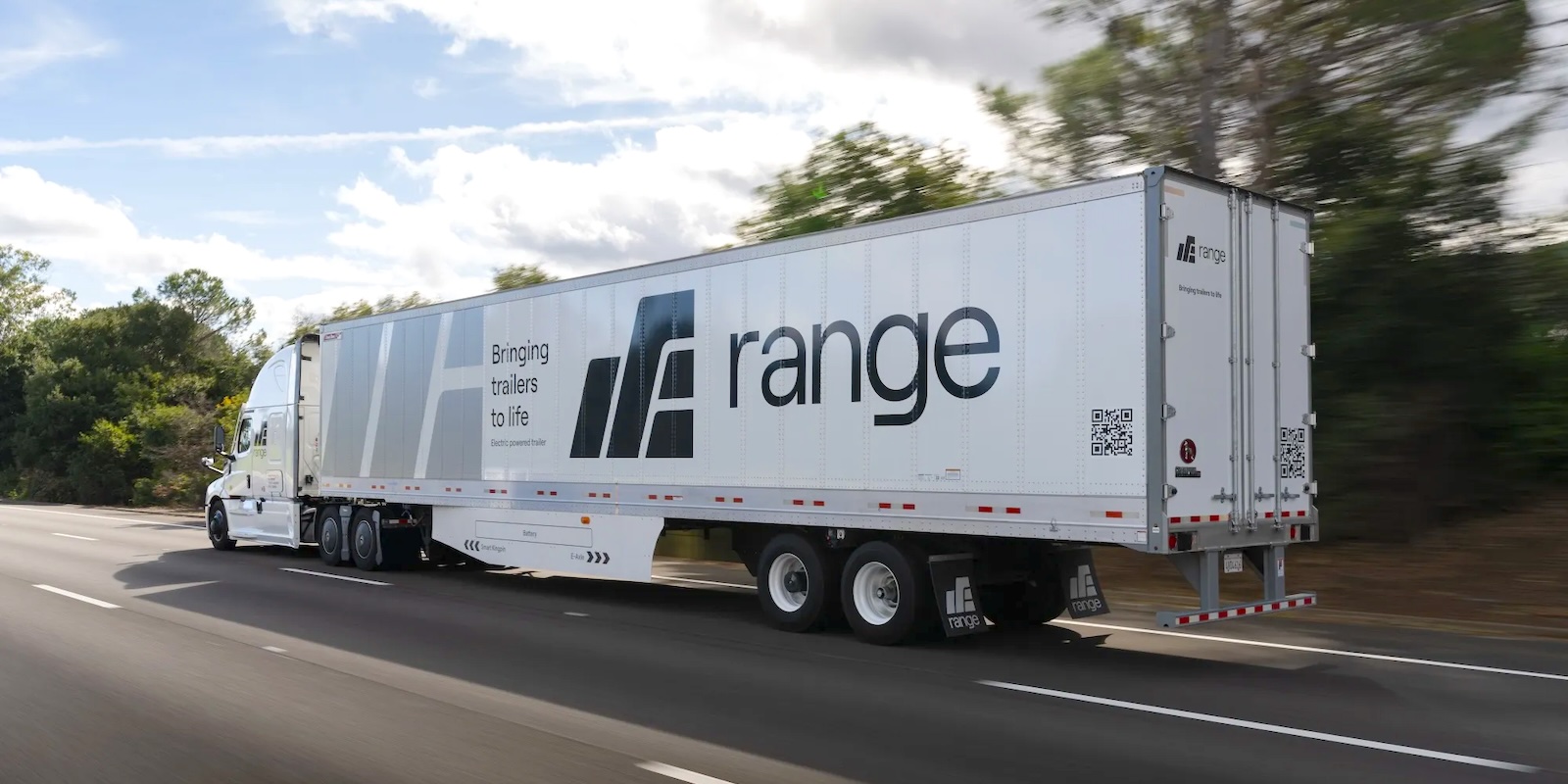
Imagine cutting your freight costs, reducing your carbon footprint, and even helping stabilize the electric grid—all without replacing a single diesel truck. That’s the promise of Range Energy’s electric trailer, as demonstrated at ACT Expo 2026. This guide walks you through the process of integrating an electric trailer into your existing fleet. You’ll learn the prerequisites, the step-by-step implementation, and tips to get the most out of this technology. Whether you’re a fleet manager, owner-operator, or logistics professional, these steps will help you unlock savings and support grid reliability—no truck swap required.
What You Need
Before you begin, ensure you have the following:
- Existing diesel or alternative-fuel trucks – The electric trailer works with your current prime movers; no need to purchase new tractors.
- Range Energy electric trailer unit – Includes regenerative braking, battery storage, and grid-connection capability.
- Charging infrastructure – Access to a Level 2 AC charger or DC fast charger compatible with the trailer’s battery system.
- Telematics and fleet management software – To monitor energy flows, savings, and grid interaction (Range Energy provides a dashboard).
- Grid interconnection agreement – If you plan to sell power back to the grid (vehicle-to-grid, V2G), coordinate with your utility.
- Driver training materials – Brief your drivers on using regenerative braking and charging protocols.
Step-by-Step Implementation
Step 1: Assess Fleet Compatibility and Routes
Start by evaluating which trucks and routes will benefit most from the electric trailer. The trailer works with any conventional fifth-wheel connection, but its regenerative braking and energy storage are most effective on routes with frequent stops, hills, or stop-and-go traffic. Use your telematics data to identify high-idle or high-braking routes. Pro tip: focus on local or regional delivery routes where the trailer’s battery can recapture the most energy.
Step 2: Procure and Set Up the Electric Trailer
Order the Range Energy electric trailer through an authorized dealer. Upon delivery, inspect the unit for damage and verify the battery charge level. Install the telematics gateway (provided) in your truck’s cab and connect it to the trailer’s communication port. Pair the trailer with your fleet management software via the Range Energy cloud platform. Ensure the trailer’s V2G inverter is properly configured for your local grid voltage and frequency.
Step 3: Train Your Drivers and Dispatch Team
Conduct a 30-minute training session covering:
- Regenerative braking – Explain how it works and that drivers should avoid hard braking to maximize energy capture.
- Charging the trailer – Show drivers how to plug in at the depot, and remind them to unplug before departure.
- Dashboard monitoring – Teach drivers to read the in-cab display showing battery level, energy recaptured, and savings.
- Grid support – If using V2G, explain that the trailer may occasionally discharge energy during peak demand, and that this is automatic.
Step 4: Integrate Charging and Grid Support Schedules
Work with your facility manager to set a charging schedule that aligns with off-peak electricity rates. Configure the trailer’s V2G system to discharge during grid peak hours (typically 4–9 PM) to earn revenue or credits. Use the Range Energy app to schedule charging start times, battery state-of-charge limits, and grid-export windows. Monitor the system for the first week to ensure the trailer doesn’t discharge below a safe reserve for your next trip.

Step 5: Track Performance and Optimize
After one month of operation, review the telematics dashboard. Look at:
- Fuel savings – Compare fuel consumption before and after using the trailer. The trailer’s regenerative braking reduces engine load, saving up to 20% on fuel.
- Battery utilization – Check how often the trailer’s battery is charged and discharged.
- Grid revenue – Total earnings from V2G exports (if applicable).
- Maintenance trends – Note any reduction in brake wear due to regenerative braking.
Adjust charging schedules and route assignments based on the data. For example, if a route consistently has low energy recapture, consider reassigning the trailer to a hillier route.
Step 6: Scale Deployment
Once you’ve validated the savings and grid benefits with one trailer, begin expanding your fleet. Order additional units and replicate the setup process. Develop a standard operating procedure (SOP) for new drivers, and negotiate volume discounts with Range Energy. Coordinate with your utility to increase your V2G capacity, as multiple trailers can provide substantial grid support together.
Tips and Best Practices
- Start small – Pilot one electric trailer for three months before scaling.
- Leverage incentives – Check for federal and state grants for electric vehicle infrastructure and V2G systems (e.g., DOE, CARB).
- Monitor battery health – Keep the trailer’s battery between 20% and 80% SOC to extend life.
- Communicate with drivers – Share savings data with drivers to boost engagement and proper usage.
- Plan for cold weather – In winter, preheat the trailer’s battery while plugged in to preserve range.
- Stay updated – Range Energy regularly releases firmware updates; apply them to improve efficiency.
By following these steps, you’ll reduce freight costs, support the grid, and future-proof your fleet—all without changing your trucks. For more details, visit the Range Energy website or contact their product team.