From Vibe Coding to App Store: A Guide to Developing AI Apps on iOS with Replit
Overview
Replit, a leading platform for "vibe coding"—where you describe software in plain language and AI generates the code—has released its first iPhone app update in four months after resolving an App Store review dispute with Apple. This guide explains how to leverage Replit on iOS for AI-assisted app development, including previewing AI-built apps, using the new Replit Agent 4, parallel agents, team collaboration, and navigating Apple's App Store policies. We'll cover everything from prerequisites to advanced troubleshooting, ensuring you can build and test apps directly on your iPhone.
Prerequisites
Before diving in, make sure you have:
- An iPhone running iOS 15 or later (Replit app requires modern iOS).
- A stable internet connection (Wi-Fi recommended for large projects).
- An Apple ID with an active App Store account.
- A Replit account (free or paid). Sign up here.
- Basic understanding of programming concepts (optional but helpful for debugging).
- Familiarity with Apple's App Store Review Guidelines, especially sections on downloaded code and dynamic execution.
Step-by-Step Instructions
Step 1: Install and Set Up Replit on Your iPhone
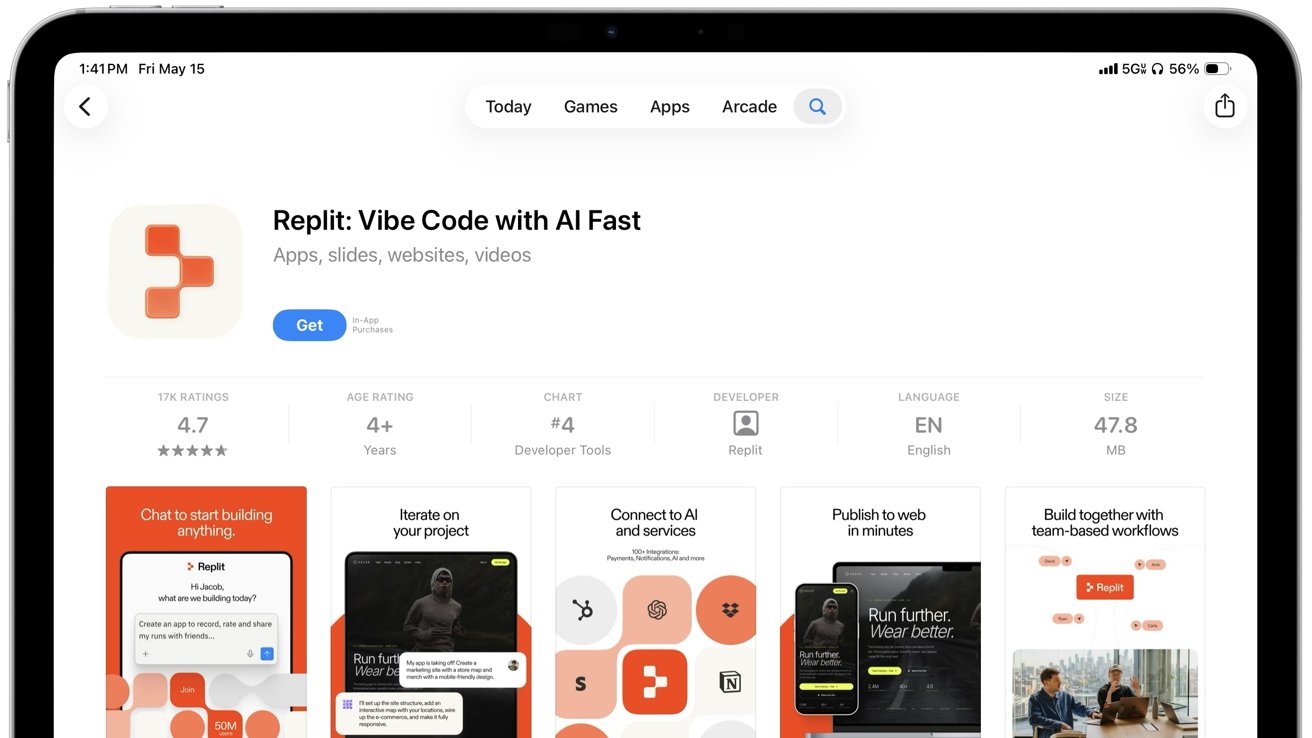
Open the App Store and search for "Replit." Download the official app (developed by Replit, Inc.). After installation, log in with your Replit credentials or create a new account. The app will sync with your Replit workspace, allowing you to access projects from any device.
Step 2: Start a New AI-Generated Project (Replit Agent 4)
Tap the "+" icon to create a new project. Select the Replit Agent 4 option—this is the latest AI model that understands natural language descriptions. Write a prompt like: "Create a to-do list app with a beautiful UI, local storage, and delete functionality." The agent will generate the code in real-time. Wait for the build to complete; you'll see a live preview.
Step 3: Preview AI-Built Apps on iPhone
The preview feature was at the center of Apple's dispute. On iOS, Replit uses a sandboxed web view to display generated apps without executing arbitrary code outside the app. To preview: after creation, tap the "Run" button. The app will render within Replit's safe environment. Note: Apple restricts downloading and dynamically executing code that could modify the device's behavior. Replit complies by hosting all execution on its servers; the iPhone only receives a visual stream.
Step 4: Use Parallel Agents for Multi-Tasking
Replit Agent 4 supports parallel agents—you can run multiple AI prompts simultaneously. Tap the agent icon and choose "New parallel agent." For example, have one agent build the frontend while another writes the backend API. Both agents run concurrently, boosting productivity. Switch between agents from the agent pane.
Step 5: Collaborate with Team Merge Flows
The update introduces merge flows for team collaboration. In the Replit app, access the project under a workspace (team). Make changes, then commit them. Other team members can review and merge via pull requests. Use the "Merge" button after resolving conflicts. This works seamlessly across iOS and desktop.
Step 6: Navigate App Store Review for Dynamic Code
If you plan to distribute your AI-built app via the App Store, be aware of the same restrictions that affected Replit. Apple's guidelines (Section 2.5.2) prohibit apps that download, install, or execute code which introduces or changes features. To comply: ensure your app's AI generation runs server-side and the iOS client only displays pre-approved content. Consider wrapping your app in a WebView that loads a secure backend. Replit's resolution shows that Apple allows preview if the code execution happens remotely. Use Replit's hosted runtime for your production app.

Step 7: Access Projects Across Workspaces
The update adds project viewing across workspaces. In the app, tap the workspace selector (top left) to switch between personal, team, or organization projects. This is useful for managing multiple codebases without logging out.
Common Mistakes
- Ignoring Apple's Guidelines on Code Execution: Many developers try to run AI-generated code locally, leading to App Store rejection. Always execute code on a remote server, not on the device itself.
- Overloading Parallel Agents: Running too many parallel agents may slow down your phone or exceed Replit's usage limits. Start with two agents and scale as needed.
- Not Using Team Collaboration Features: If you work in a team, ignoring merge flows can cause version conflicts. Always commit changes and use pull requests.
- Forgetting to Update the App: The July 2024 update resolved the review dispute. Ensure your Replit app is up-to-date to access the latest features and Apple-compliant preview.
- Overcomplicating Prompts: Vibe coding works best with concise, clear language. Avoid vague instructions—specify UI elements, functionality, and constraints.
Summary
Replit's iPhone update marks a significant shift in Apple's treatment of AI coding apps, allowing developers to preview and iterate on AI-generated software directly on iOS. By following this guide—setting up accounts, using Replit Agent 4, leveraging parallel agents, collaborating through merge flows, and adhering to App Store policies—you can build sophisticated apps from your phone. The key takeaway: always run AI-generated code server-side to stay within Apple's rules. With Replit's new features, the gap between "vibe coding" and real iOS deployment continues to narrow.