Microscopic Gut Particles: Could They Hold the Key to Aging and Chronic Disease?
Emerging research reveals that tiny particles originating in the gut may play a pivotal role in driving inflammation and chronic diseases commonly linked with aging. In a surprising twist, a recent study found that particles from the guts of young animals could actually reverse some age-related damage when introduced into older animals. This discovery opens up exciting new avenues for potential therapies. Below, we explore the key findings and what they mean for the future of aging research.
What exactly are these tiny gut particles and where do they come from?
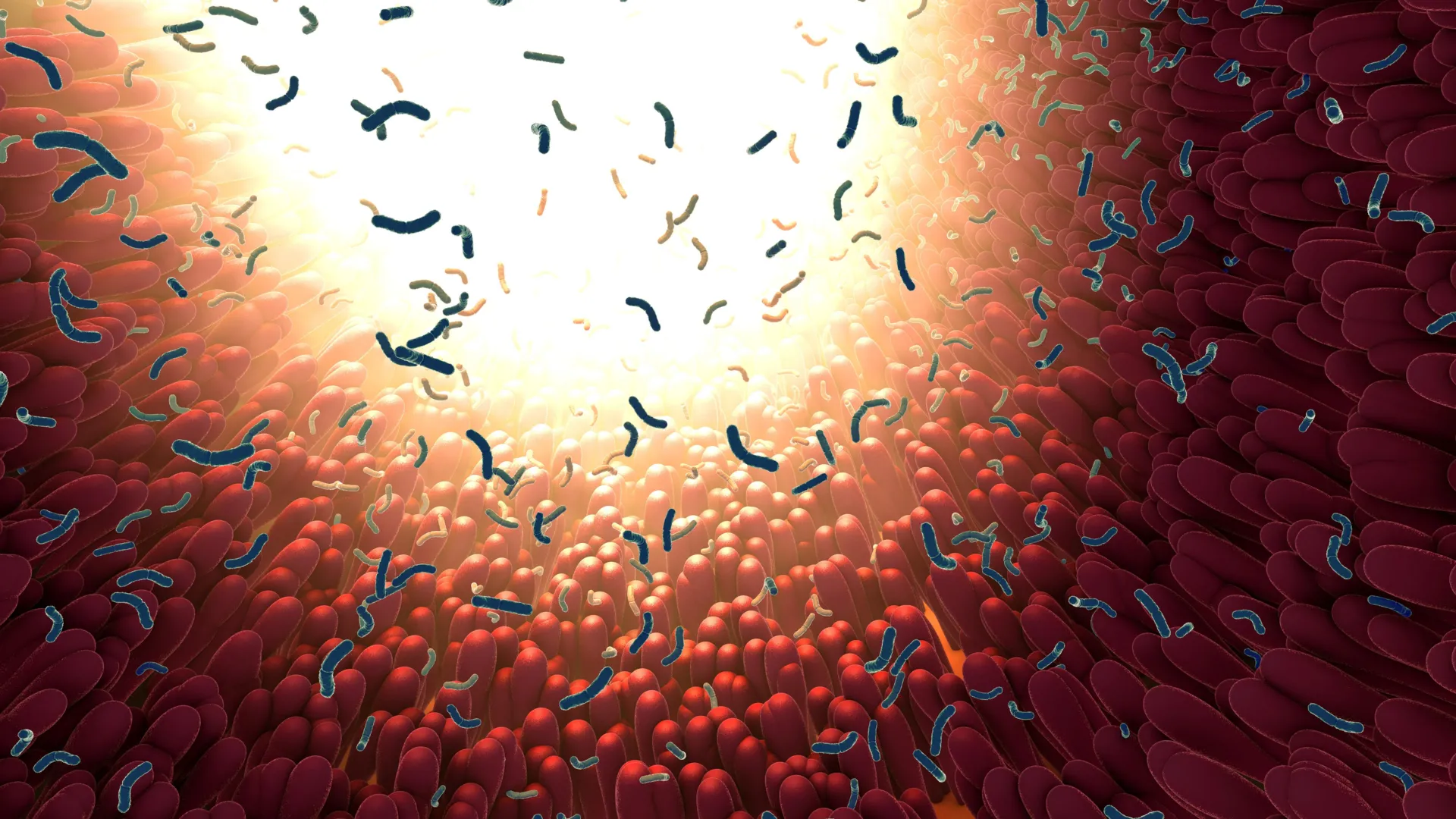
These microscopic particles, often referred to as extracellular vesicles or nanovesicles, are shed by cells lining the gastrointestinal tract. They contain a complex cargo of proteins, lipids, and nucleic acids, including microRNAs and other signaling molecules. The gut is home to trillions of bacteria and host cells that constantly release these particles into the surrounding environment. From there, they can enter the bloodstream and travel to distant organs, influencing biological processes throughout the body. The current study highlights that the composition and effects of these particles change significantly with age, shifting from a protective to a pro-inflammatory state.
How do gut particles drive inflammation and chronic disease?
As we age, the gut microbiome and intestinal cells undergo changes that alter the cargo of these vesicles. In older individuals, gut particles tend to carry higher levels of pro-inflammatory molecules, such as specific cytokines and damage-associated molecular patterns (DAMPs). When these particles reach tissues like the liver, brain, or joints, they can trigger immune responses that lead to chronic low-grade inflammation—a hallmark of aging. This systemic inflammation is linked to conditions such as cardiovascular disease, type 2 diabetes, neurodegenerative disorders, and frailty. The study found that injecting aged mice with particles from old donors accelerated inflammation and tissue dysfunction, directly demonstrating their harmful potential.
What did the study discover about particles from young animals?
Perhaps the most striking finding was that gut particles isolated from young animals could reverse some aging-related damage in older recipients. When older mice were treated with vesicles from young donors, researchers observed a reduction in inflammatory markers, improved cognitive function, and enhanced muscle regeneration. The young particles appeared to carry beneficial molecules, including anti-inflammatory microRNAs and growth factors, that helped reset aging cellular pathways. This suggests that the content of gut vesicles is not static but can be rejuvenated, offering a potential strategy for therapeutic interventions against age-related decline.
Could these findings lead to new treatments for humans?
While the research is still in its early stages, the implications are promising. If scientists can isolate and characterize the specific molecules within young gut particles that confer anti-aging benefits, they might develop targeted therapies—for example, engineered vesicles or synthetic mimics that deliver these factors. Alternatively, interventions that promote a healthier gut environment, such as diet, probiotics, or prebiotics, could encourage the production of beneficial particles naturally. Clinical trials will be necessary to determine safety and efficacy in humans, but this study provides a strong foundation for exploring gut-derived vesicle therapies as a novel approach to combat chronic diseases and extend healthspan.
What are the next steps for researchers?
Moving forward, scientists aim to identify the exact molecular signatures that distinguish young versus old gut particles. They will also investigate how lifestyle factors—like diet, exercise, and stress—influence vesicle composition. Another key area is understanding the mechanisms by which these particles enter the bloodstream and target specific organs. Finally, researchers hope to test whether periodic administration of young particles or their key components can delay aging in long-term animal models. Success in these areas could pave the way for innovative diagnostics and interventions that harness the power of gut-derived vesicles to promote healthier aging.