Understanding Valve's Steam Machine: Key Questions and Answers
Valve's upcoming Steam Machine has stirred confusion and skepticism. Announced for a 2026 launch, this device aims to bring SteamOS to the living room, promising 4K 60 FPS gaming. But with a troubled history and unclear target audience, many wonder what it truly offers. Here we answer the most pressing questions about Valve's new hardware venture.
What Exactly Is the New Steam Machine, and How Is It Different From the Original?
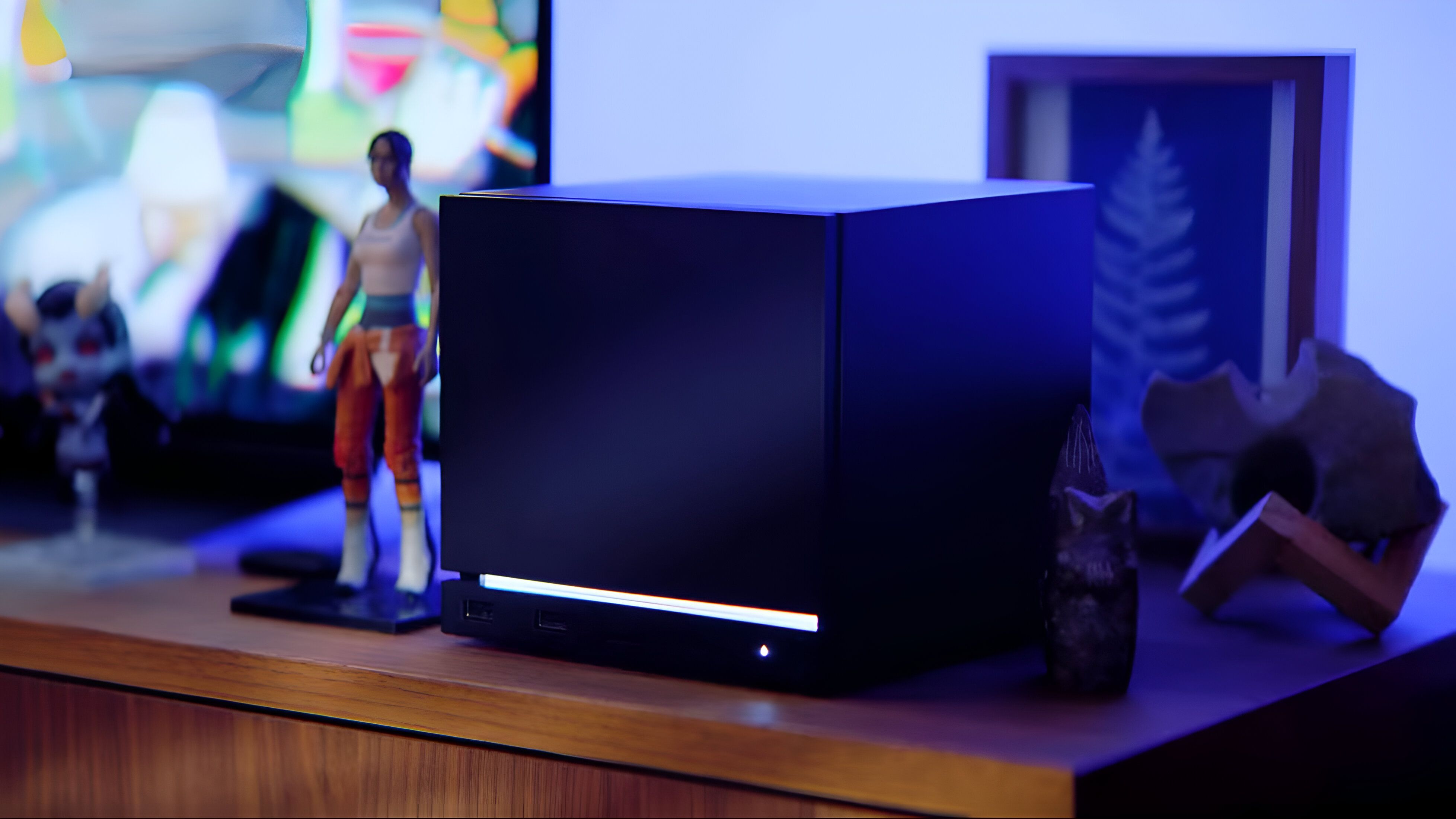
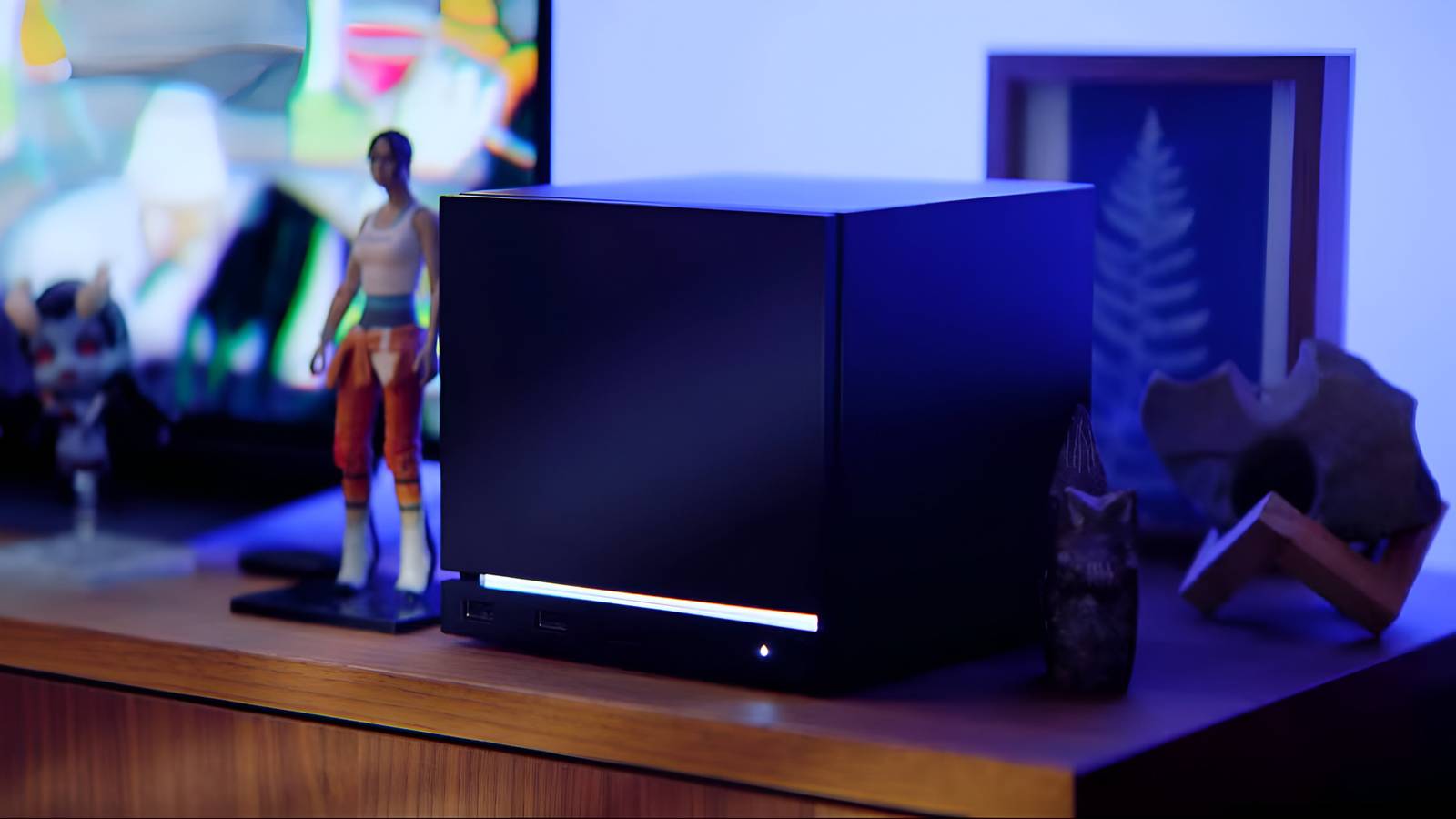
The new Steam Machine is a compact PC running SteamOS, designed for 4K 60 FPS gaming in the living room. Unlike the original Steam Machines released in 2015—which were multiple models from various manufacturers with inconsistent specs—this new version is a single, Valve-designed unit reminiscent of the Steam Deck but aimed at high-resolution stationary use. It targets a niche between consoles and custom gaming PCs. However, early reports indicate its internal hardware may be underpowered compared to similarly priced consoles or budget PCs, raising questions about its market fit.
Why Did Valve's First Attempt at Steam Machines Fail?
The original Steam Machines launched in 2015 as an open platform for living-room PC gaming, relying on third-party manufacturers. They failed due to a fragmented lineup, high prices, limited game compatibility via SteamOS’s Linux foundation, and lukewarm performance. At that time, Windows still dominated PC gaming, and the Steam Controller, though innovative, had awkward ergonomics. The initiative ultimately flopped, leaving a blot on Valve's record. This history makes the new Steam Machine’s positioning all the more critical, as Valve must avoid repeating the same mistakes—especially regarding pricing, performance, and consumer clarity.
What Are the Key Hardware Specs and Performance Promises of the New Steam Machine?
Valve has not released full specifications, but confirmed it will target 4K resolution at 60 frames per second for modern games. Early leaks suggest it may use a custom AMD APU, similar to the Steam Deck but with a higher power envelope. However, many analysts worry the hardware might be underpowered to hit 4K 60 FPS consistently without heavy upscaling or compromises. Valve’s strong optimization track record—evident in the Steam Deck—offers hope, but the gap between consoles and budget PCs is wide. Without breakthrough efficiency, the Steam Machine could struggle to deliver on its promise without sacrificing visual fidelity or frame rates.
How Does the Steam Machine's Pricing Compare to Consoles and Budget Gaming PCs?
Valve has not announced pricing, but based on hardware rumors, the Steam Machine is expected to cost significantly more than a PlayStation 5 or Xbox Series X—which retail around $400–$500 and already deliver 4K 60 FPS in many titles. Meanwhile, budget gaming PCs in the $600–$800 range often offer better upgradeability and performance. If the Steam Machine launches at $600 or higher, it may be less price-competitive than both options. That creates a dilemma: console gamers see little value, and PC builders prefer flexibility. Only a competitive price combined with Valve’s SteamOS ecosystem could justify its existence.
Who Is the Target Audience for the Steam Machine? Console Gamers or PC Enthusiasts?
Valve’s marketing positions the Steam Machine as a PC, not a console, yet its fixed hardware and living-room focus blur the line. For console gamers, the price and complexity (even with SteamOS) might be off-putting; they already have easy, affordable 4K gaming. For PC enthusiasts, the lack of upgradeability and premium cost over DIY builds reduces appeal. The Steam Machine seems aimed at existing Steam users who want a console-like couch experience but are willing to pay a premium. However, that segment is small, especially with the Steam Deck already offering portable PC gaming. Without a clear value proposition, the Steam Machine risks trying to please everyone and satisfying no one.
Can Valve's Optimization Expertise Overcome the Hardware Limitations?
Valve has proven its optimization skills with the Steam Deck, squeezing impressive performance from modest AMD chips through custom drivers, OS tweaks, and game compatibility layers like Proton. If the same magic applies to the Steam Machine, it could achieve smooth 4K 60 FPS in a wide game library. However, there are limits: physics, draw distance, and native resolution place hard ceilings. Even the best software cannot double raw GPU power. The Steam Machine may rely heavily on FSR (FidelityFX Super Resolution) or dynamic resolution scaling, which could reduce image quality. While optimization helps, the hardware must still be sufficient; otherwise, performance will fall short of marketing claims.
When Is the Steam Machine Launching, and What Uncertainties Remain?
Valve has confirmed a 2026 launch window for the new Steam Machine. That leaves ample time for development, but also for market changes—new console revisions, advances in PC hardware, and evolving game demands. Key uncertainties include final pricing, exact specs, game compatibility on day one, and whether Valve will support third-party models again. Additionally, the success of the Steam Deck has raised expectations for Valve’s hardware, but the living-room market is different. Without a compelling reason to switch from existing consoles or PCs, the Steam Machine may struggle. Valve must address these doubts well before 2026 to avoid another misstep.