9 Lessons Lululemon Must Learn From Gap’s Remarkable Turnaround
When a beloved brand stumbles, the path back to glory often requires a painful reinvention. Lululemon, the yoga-inspired athleticwear giant, finds itself at a critical juncture. With a new CEO from Nike, a vocal founder casting doubts, and a stock that’s taken a beating, the company desperately needs its own “Gap moment”—the kind of revitalization that turned a fading legacy brand into a cultural powerhouse. Here are nine essential truths Lululemon must embrace to write its next chapter.
1. The CEO Shake-Up Has Rattled Investor Confidence
Lululemon’s board ended a lengthy search in late April by appointing Heidi O’Neill, a 26-year Nike veteran, as its new chief executive. The announcement sparked immediate turmoil. Shares plummeted, signaling that Wall Street doubted her ability to steer the ship. Many analysts, including myself, questioned whether importing strategies from Nike would actually help Lululemon escape its financial rut. The abrupt departure of former CEO Calvin McDonald after six years only deepened the uncertainty, leaving the company without steady leadership during a vulnerable period.
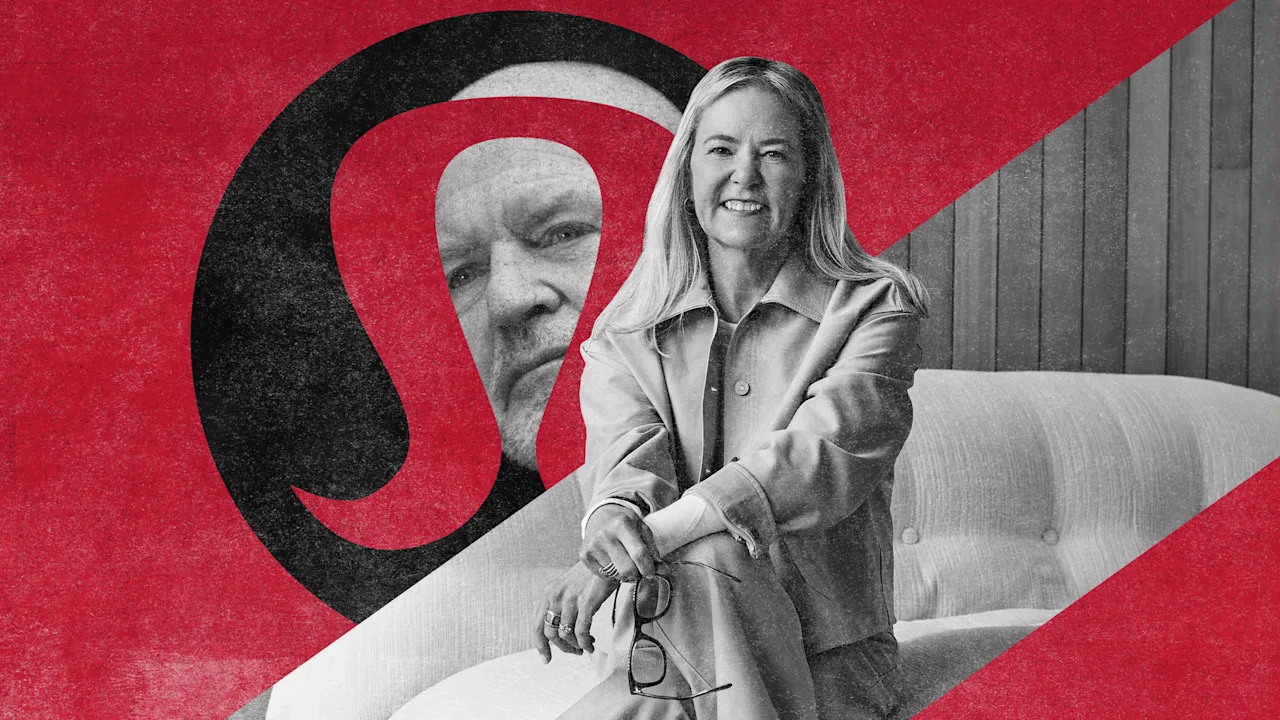
2. Founder Chip Wilson’s Criticism Carries Weight—But Not Always Truth
Founder Chip Wilson, who launched Lululemon in 1998 and left in 2005, remains the largest shareholder and a persistent voice. He publicly slammed the board’s choice of O’Neill, calling for “passionate, creative renegades” instead of industry insiders. However, Wilson’s track record is flawed. He once blamed pilling in Lululemon leggings on women’s thighs rubbing together—a comment widely seen as body shaming. More recently, he criticized the brand’s diversity efforts, saying they welcome customers “you don’t want coming in.” His instincts aren’t always right, but his influence means he can’t be ignored.
3. Gap’s Turnaround Offers a Blueprint for Revival
The legacy apparel brand Gap, founded in 1969, faced years of declining sales before staging an impressive comeback. Over the past two years, Gap has launched hit marketing campaigns featuring stars like Young Miko, Troye Sivan, and the K-pop group Katseye. Creative collaborations with Béis, Dôen, and Victoria Beckham have generated buzz, while GapStudio—a high-fashion line overseen by Zac Posen—placed red-carpet looks on celebrities such as Timothée Chalamet and Anne Hathaway. This transformation shows how a brand can rekindle excitement through bold partnerships and cultural relevance.
4. The Key to Gap’s Success: Deep Brand Knowledge and Hard Work
Mark Breitbard, president and CEO of the global Gap brand, didn’t parachute in from outside. He started his career at Gap in 2009 as chief merchant at Old Navy and later at Gap itself, then returned in 2017 to run Banana Republic. When he took the helm in 2020, he faced a mess: too many unprofitable stores, excess inventory, and heavy discounting. Breitbard’s turnaround required a deep understanding of the brand’s heritage and pain points. Lululemon’s new CEO must similarly master the company’s DNA to steer a recovery.
5. Overexpansion and Inventory Woes Plague Lululemon (Just Like Gap)
Gap’s troubles in 2020 mirror Lululemon’s current challenges. An overabundance of stores, many underperforming, dragged down profitability. Bloated inventory led to constant markdowns, eroding brand prestige. Lululemon, which has aggressively grown its store footprint, risks similar pitfalls. As demand softens, the company must resist the urge to discount its way out of trouble. Instead, it should focus on product innovation and premium positioning—the very elements that once made it a cult favorite.
6. Lululemon Needs a Clear Point of View—Not Just a Nike Playbook
Heidi O’Neill’s background at Nike brings expertise but also risks homogenizing Lululemon’s unique identity. Nike dominates through scale and athletic credibility, while Lululemon thrives on community, yoga-centric lifestyle, and premium quality. Simply copying Nike’s tactics—mass marketing, broad distribution, or heavy endorsement deals—could dilute what makes Lululemon special. The brand must carve its own path, leaning into its roots while evolving to attract new customers. Gap succeeded by rediscovering its core; Lululemon should do the same.
7. The Founder’s Vision Can Be a Double-Edged Sword
Chip Wilson’s ongoing involvement creates tension. While his unconventional ideas once built an empire, his recent comments have alienated customers and employees. Lululemon must balance respecting its founder’s legacy with charting a forward-looking strategy. Gap’s founders aren’t as vocal, but the lesson remains: honoring the past without being held hostage by it. Wilson may have valid insights about the brand’s soul, but decisions should rest with professional leadership.
8. Marketing Innovation Is Non-Negotiable
Gap’s revival was powered by fresh, culturally relevant marketing—campaigns that felt authentic and surprising. Lululemon’s recent messaging has been comparatively safe. To reignite excitement, the brand needs bold campaigns that speak to new generations while retaining its loyal base. Collaborations with unexpected partners, like Gap’s Victoria Beckham line, could help Lululemon break out of its routine. Product innovation alone won’t suffice; storytelling must capture the zeitgeist.
9. Patience and Persistence Pay Off
Gap’s turnaround didn’t happen overnight. Breitbard’s efforts took years of disciplined execution, closing unprofitable stores, streamlining inventory, and rebuilding brand equity. Lululemon must commit to a long-term vision, resisting quick fixes. The stock may remain volatile, but steady progress in product, operations, and culture will eventually win back investors and customers. As Gap proved, a once-struggling brand can reclaim its luster—with the right leadership, strategy, and a little time.
Lululemon stands at a crossroads. It can either follow the well-worn path of imitating competitors or forge its own distinctive revival. The lessons from Gap are clear: deep brand understanding, operational discipline, bold marketing, and respectful engagement with the founder’s spirit. If Heidi O’Neill and her team can apply these insights, Lululemon may very well have its own ‘Gap moment’—and emerge stronger than ever.