Apple’s Next-Gen MacBook Pro with OLED and Redesign Pushed to Late 2026: What You Need to Know
Breaking News: New MacBook Pro Delayed – But the Wait Could Be Worth It
Industry insiders and supply chain leaks now confirm that Apple’s highly anticipated MacBook Pro featuring an OLED touchscreen display and a major design overhaul will not arrive until late 2026 or early 2027. The current 14-inch and 16-inch models, refreshed with M5 Pro and M5 Max chips in March 2026, are essentially a speed bump rather than a new generation.
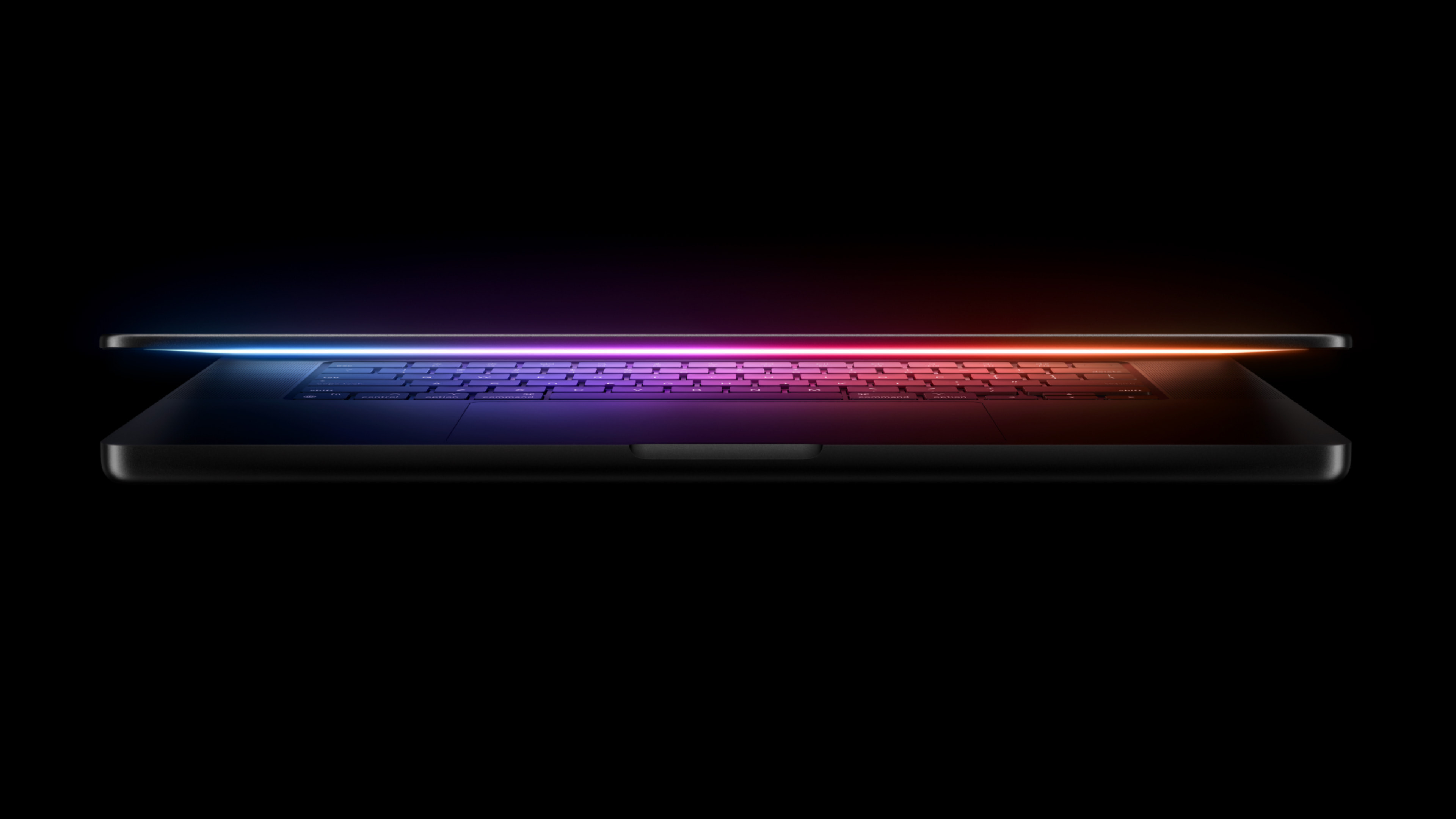
“Apple is sticking with its 2021-era chassis for now, but the next leap – OLED, Dynamic Island, and a 2nm processor – is slated for next year,” said a semiconductor analyst who spoke on condition of anonymity. “If you can hold off, you’ll get a significantly better machine.”
The delay has sparked mixed reactions among professionals who rely on the MacBook Pro for creative and engineering workloads. However, the promised improvements could redefine mobile computing performance and display quality.
Key Upgrades: OLED Display, Touchscreen, and Thinner Design
The most transformative change will be the switch from mini-LED to OLED display technology. Unlike current models, each pixel will light individually, delivering deeper blacks, more vibrant colors, and eliminating the halo effect seen around bright objects on dark backgrounds. OLED also offers faster response times and improved viewing angles, though early generations often struggled with brightness – a concern that recent panel advancements have largely addressed.
Alongside OLED, sources confirm that Apple will integrate touchscreen capabilities into the MacBook Pro for the first time. “Apple has long resisted a touchscreen Mac, but internal testing and multiple component orders indicate the company is ready to merge the best of iPad and Mac,” said a display supply chain expert.
The dynamic notch will be replaced by an interactive Dynamic Island, similar to the iPhone 14 Pro and later models. This bar will house the front camera and can expand contextually for system alerts, app controls, and multitasking without taking up permanent screen real estate.
The chassis is also expected to thin out, though the keyboard, trackpad, and port selection – likely including MagSafe, Thunderbolt, and an HDMI port – will remain. Apple is expected to keep the 14-inch and 16-inch form factors unchanged.
Under the Hood: 2nm Chip (M6) and Cellular Connectivity
The late-2026 MacBook Pro will be the first to run on Apple’s 2-nanometer (M6-series) chip. This node shrink, which moves from FinFET to GAA (Gate-All-Around) nanosheet transistors, promises up to 30% faster performance per watt and significantly higher transistor density. “The jump from 3nm to 2nm is one of the largest generational leaps in Apple’s history,” noted a technology analyst at a leading research firm. “Battery life and thermal management will see dramatic improvements.”
Additionally, early leaks suggest Apple may introduce optional 5G cellular connectivity directly in the MacBook Pro. This would allow always-on internet access without tethering, a feature long available in Windows laptops and some iPads.
Background: Why Apple Skipped a Major Redesign in 2026
Apple refreshed the MacBook Pro lineup in March 2026 with M5 Pro and M5 Max chips, but kept the same aluminum unibody design introduced in 2021. At the time, the company stated that the focus was on chip performance rather than aesthetics. Insider reports from March 2026 indicated that the OLED panel supply was not yet mature enough for mass production across two large screen sizes, prompting Apple to hold off on a complete redesign.
Meanwhile, competitors have been pushing OLED laptops with touchscreens for years. Apple’s decision to wait underscores its commitment to tight hardware-software integration and high yield rates. The M4 iPad Pro, launched in 2024, already uses a tandem OLED display, proving the technology is viable for larger screens.
What This Means for Consumers
If you are in the market for a MacBook Pro, the choice hinges on timing and use case. The current M5 Pro/Max models are excellent machines for demanding tasks like video editing, 3D modeling, and software development. But they lack the generational display and design changes that the 2027 model will bring.
“For users who upgrade every four to five years or who absolutely need a top-tier machine today, the M5 MacBook Pro is still a great investment,” said a senior hardware reviewer. “But if you can wait 12 to 18 months, the OLED touchscreen MacBook Pro will be a far more future-proof tool.”
Additionally, the MacBook Pro with OLED and a Dynamic Island will likely command a significant price premium – possibly $200 to $400 above current models. Those on a tighter budget might find the current generation a better value, especially if they can benefit from discounts closer to the launch of the new models.
Ultimately, the decision comes down to urgency versus innovation latency. The late-2026 MacBook Pro promises to be the most significant update to the line since the 2021 redesign, but only if you’re willing to wait.