10 Key Fallout Scenarios from Trump’s 25% Auto Tariff Threat on the EU
President Donald Trump’s latest threat to slap a 25% tariff on European Union cars and trucks next week has sent shockwaves through global markets. With the world economy still reeling from the Iran war’s energy price spikes, this move could deepen inflation, strain political alliances, and upend a fragile trade deal. Here are ten critical facts you need to understand about the looming escalation.
1. The 25% Tariff Ultimatum
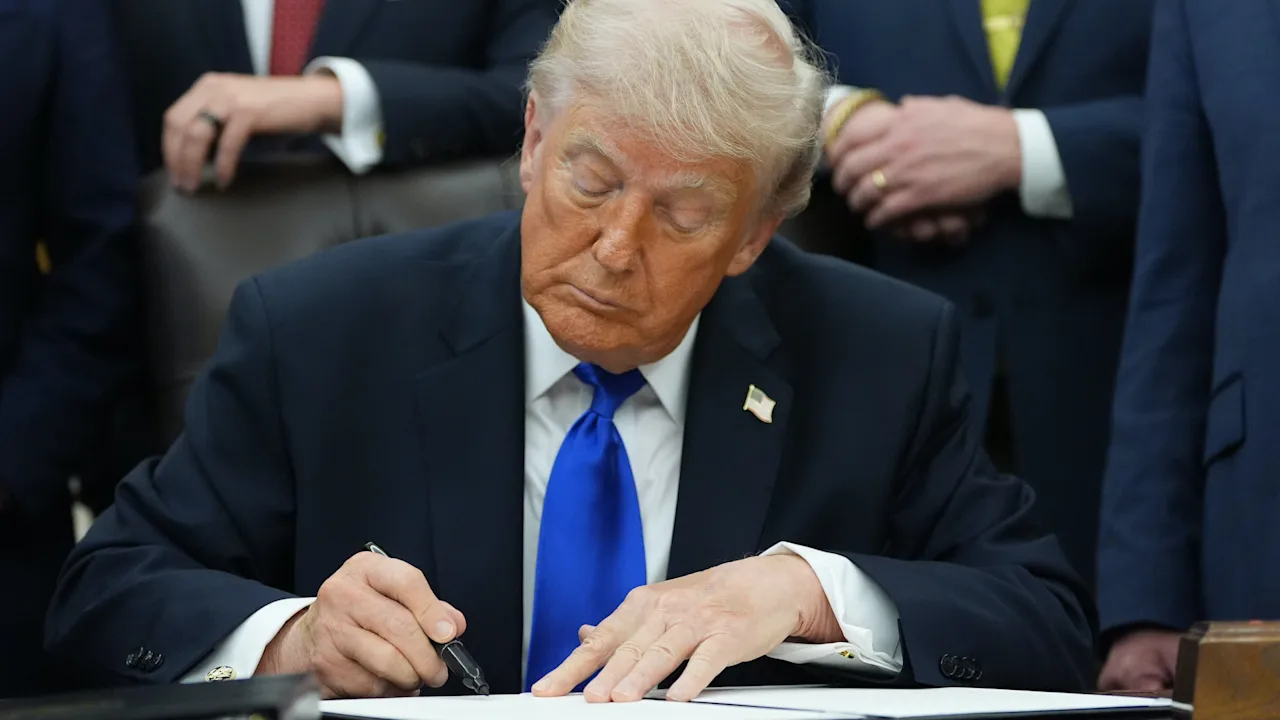
Trump announced via social media that he would raise tariffs on EU auto imports to 25%, claiming the bloc is not complying with the previously agreed trade deal. Read about the Turnberry Agreement. This drastic increase—up from a 10% interim tariff—would make European cars significantly more expensive for U.S. consumers, potentially slashing sales and disrupting supply chains across the Atlantic.
2. The Turnberry Agreement in Peril
Last July, Trump and European Commission President Ursula von der Leyen signed the Turnberry Agreement, setting a 15% tariff ceiling on most goods. The deal named after Trump’s Scottish golf course was meant to de-escalate trade tensions. However, its legal foundation has crumbled after a Supreme Court ruling, casting doubt on the entire framework. The EU insists “a deal is a deal,” but Washington’s new tariffs could violate its terms.
3. Supreme Court Voids Trump’s Economic Emergency Authority
The Supreme Court ruled that Trump lacked the legal authority to declare an economic emergency for tariff purposes—the very power he used to impose the original 15% tariff. This left the administration scrambling for alternative legal justifications. The decision has forced Trump to explore substitute tariff mechanisms while the Commerce Department investigates trade imbalances and national security threats.
4. The 10% Interim Tariff and Ongoing Investigations
In the wake of the Supreme Court ruling, the Trump administration imposed a 10% tariff on EU auto imports as a stopgap. Meanwhile, investigations into trade imbalances and national security are underway to build a new legal basis for higher tariffs. These probes could eventually lead to permanent protectionist measures that risk a full-blown trade war with Europe.
5. Iran War Sparks Global Economic Turmoil
The timing of Trump’s tariff threat coincides with the devastating economic fallout from the Iran war. After U.S. and Israeli strikes on Iran in late February, the critical Strait of Hormuz was effectively closed, sending oil and natural gas prices soaring. This has slowed global growth and stoked inflation, making any additional trade disruption particularly damaging for industries reliant on cross-border supply chains.
6. Rising U.S. Inflation Becomes a Political Nightmare
Annual inflation hit 3.3% in March—higher than the rate Trump inherited when he returned to the White House. With midterm elections approaching in November, the president faces intense political pressure. He was elected on a promise to tame post-pandemic price spikes, but higher energy costs have reversed that progress, putting his economic agenda under scrutiny.
7. Public Confidence in Trump’s Economy Plummets
According to the latest AP-NORC poll, only 30% of U.S. adults approve of Trump’s handling of the economy. This low approval rating underscores widespread dissatisfaction with rising prices and trade uncertainty. If tariffs escalate further, consumer confidence could erode even more, hurting Trump’s re-election prospects and Republican chances in the midterms.
8. European Automakers Face Massive Monthly Losses
The EU had estimated that the Turnberry Agreement would save European automakers between 500 million and 600 million euros ($585–$700 million) per month. Trump’s new tariffs would wipe out those savings, forcing carmakers like Volkswagen, BMW, and Mercedes to either absorb costs or raise prices, potentially losing market share in the lucrative U.S. market.
9. The Staggering Scale of EU-U.S. Trade at Risk
Total trade in goods and services between the EU and the U.S. reached 1.7 trillion euros ($2 trillion) in 2024—an average of 4.6 billion euros per day, according to Eurostat. A full-blown tariff war would jeopardize this enormous economic relationship, hurting industries on both sides of the Atlantic, from manufacturing to agriculture to finance.
10. Uncertain Future for Transatlantic Relations
Trump’s tariff threat has put the U.S.-EU trade relationship at a crossroads. European Trade Commissioner Maroš Šefčovič noted that ties had improved over the past year, but the new tariffs could unravel that goodwill. With the Turnberry Agreement in legal limbo and substitute tariffs being explored, the prospect of a negotiated settlement remains uncertain. The world watches closely as the April 2 deadline approaches.
In conclusion, Trump’s 25% auto tariff is not just a trade dispute—it’s a catalyst for a broader economic and political storm. From legal chaos at home to energy-driven inflation abroad, the ripple effects could reshape global commerce for years. Whether cooler heads prevail or the rhetoric escalates, the next few weeks will define the future of the world’s largest trade relationship.